Origin
The Hereford breed originates from the British county of Herefordshire. It is considered one of the oldest cattle breeds in the world, with evidence of its existence dating back to 1562. These early Hereford breeders shaped their cattle with the idea of high carcass yield and production efficiency, thus firmly establishing these characteristics that remain prominent in the breed to this day.
Starting in 1742, with a calf from the cow Silver and two cows, Pidgeon and Mottle, inherited from his father's property, Benjamin Tomkins is credited with founding the Hereford breed. This happened 18 years before Robert Bakewell began developing his theories on animal breeding. From the beginning, Tomkins' objectives were: economy in feed, natural aptitude for growing and profiting from pasture and grain, hardiness, resistance, and precocity – characteristics that are still of paramount importance today. Hereford was the first English cattle breed to be recognized as a true breed.
The Hereford breed was introduced to Brazil from neighboring Uruguay and Argentina. In 1907, breeder Laurindo Brasil, from Bagé, inaugurated the breed's Herd Book in the country, through registration.
The breed originated from the bull “Alfo”, imported from Argentina. However, before the official registration dates, many “pampas” crossed the unfenced borders between countries, populating the fields of Rio Grande do Sul. Since then, the breed has grown significantly in Brazil, mainly in the southern states, where the climate is more similar to its country of origin. With its ancestral characteristic of great adaptability, it has become an indispensable tool in industrial crossbreeding programs.
Features
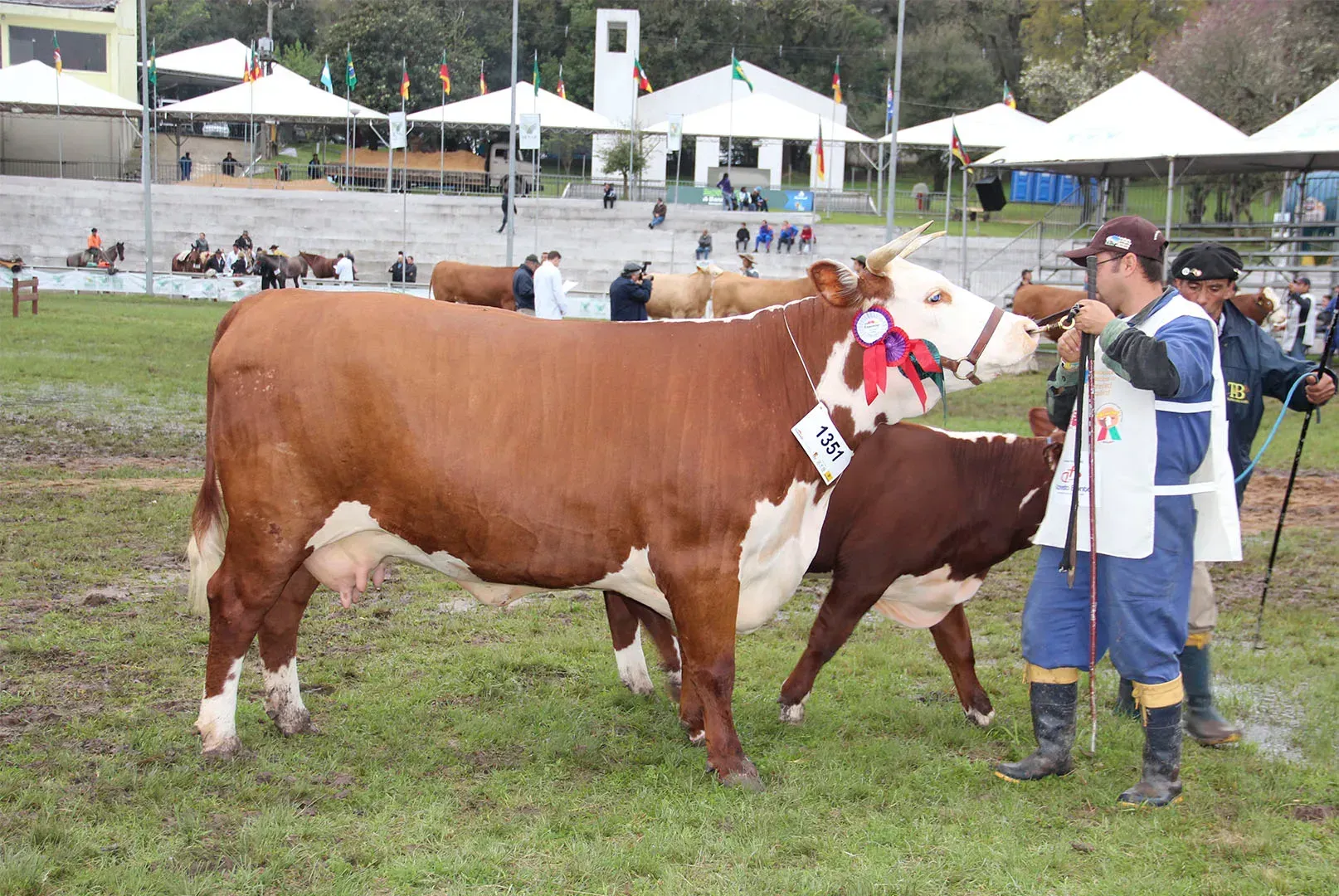
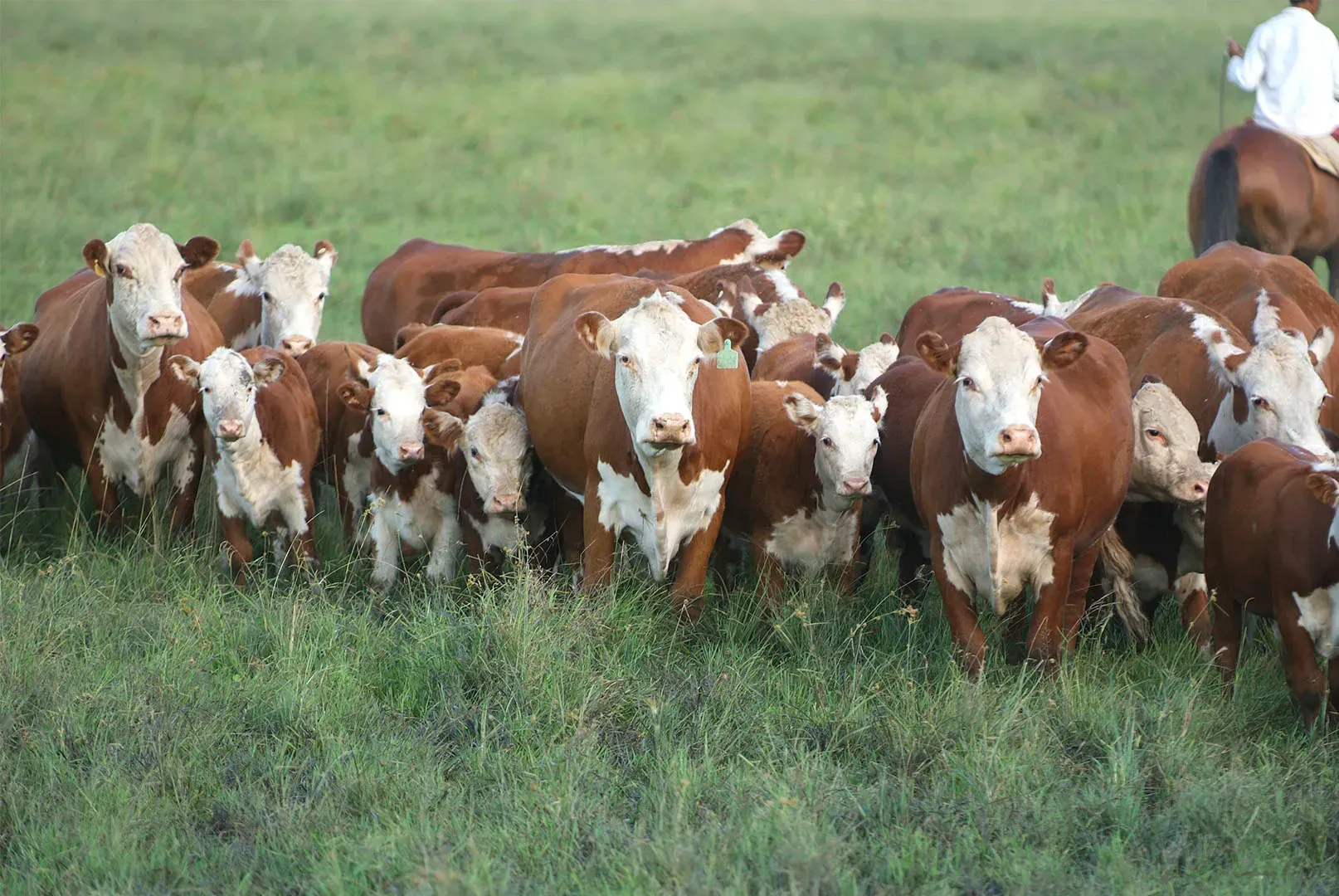
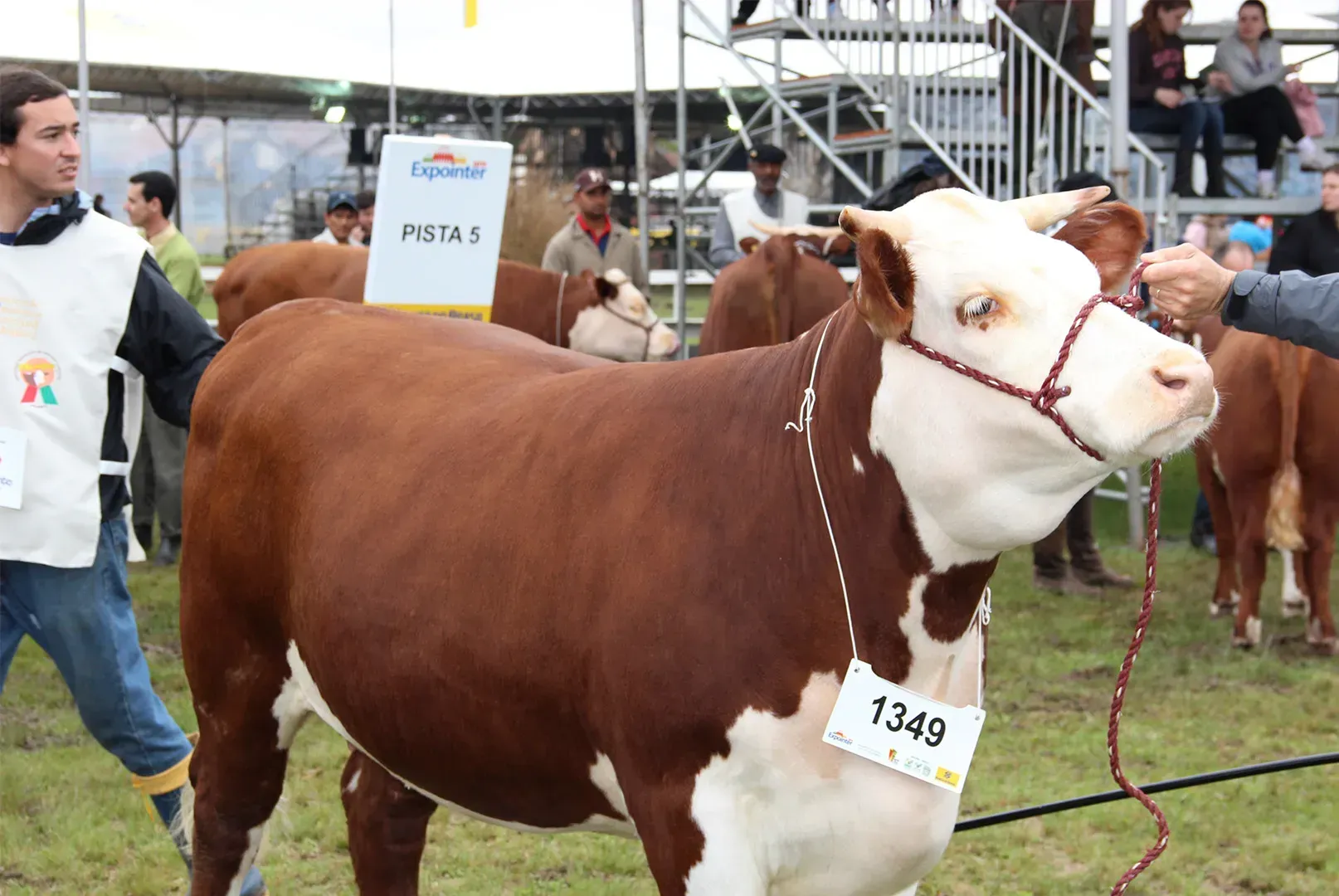
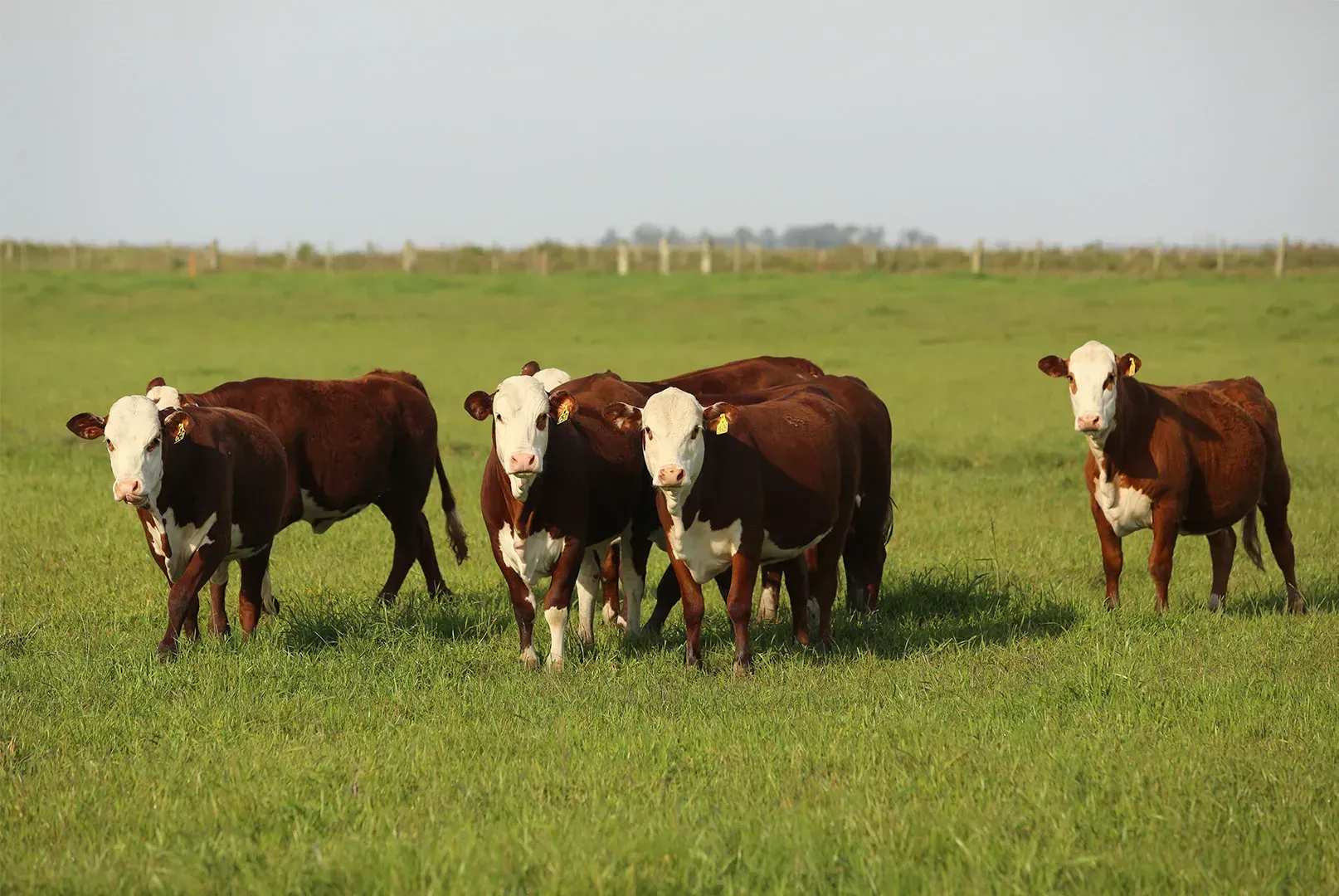
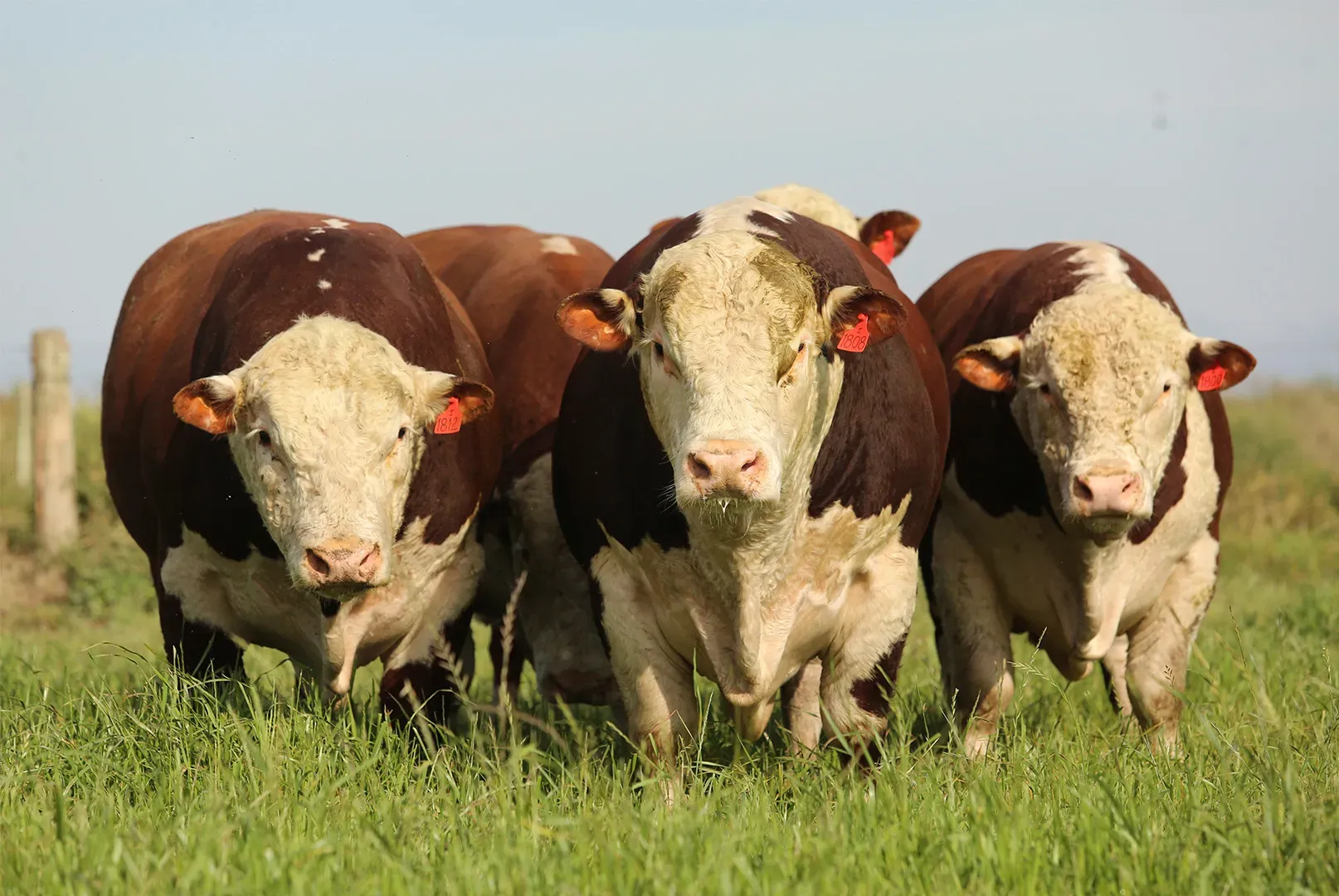
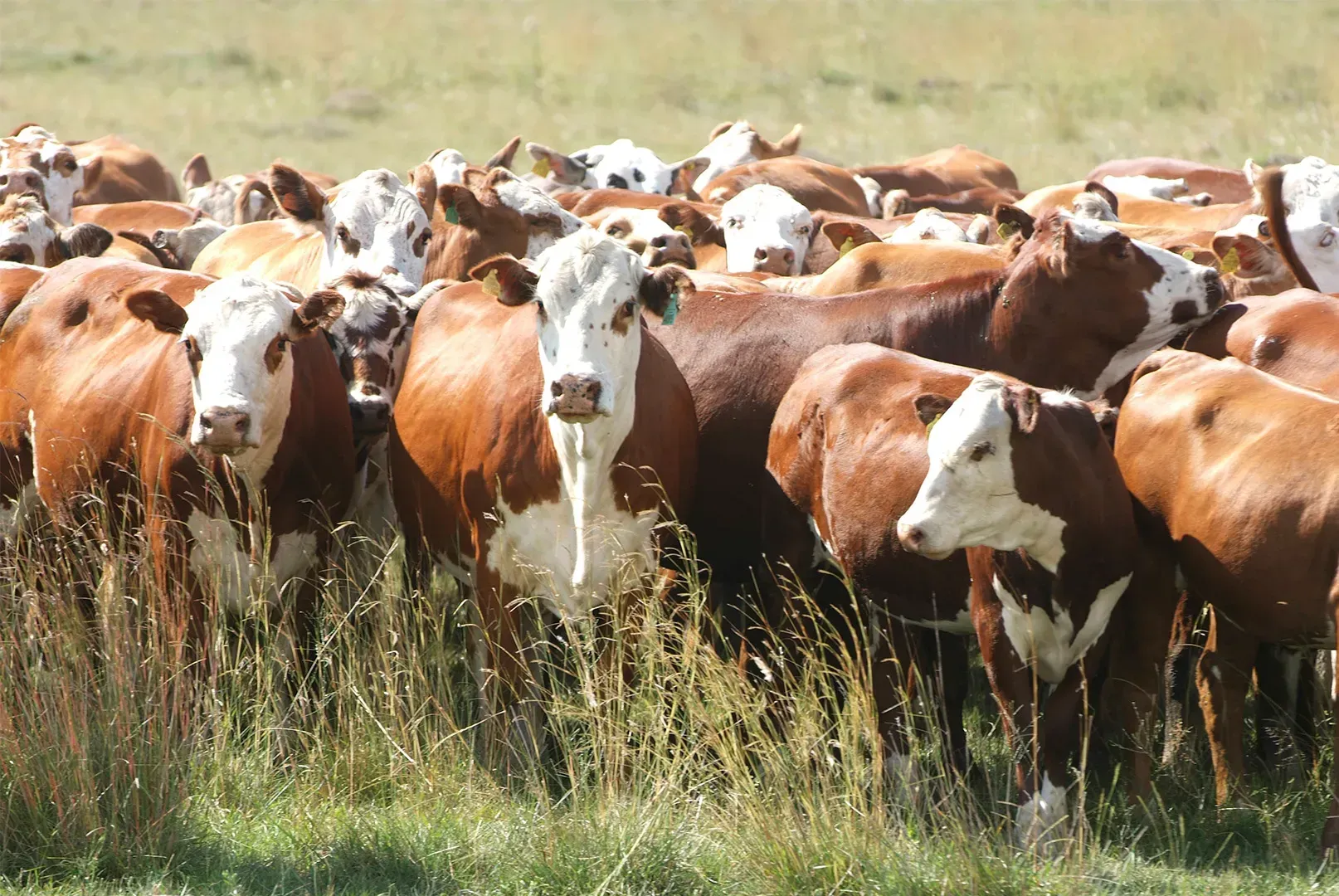
The modern Hereford is dark red to reddish-yellow, with part of the head and topline white, as well as the dewlap and underline. Herefords with white flanks and white markings below the knees and hocks are also common. Most animals have short, thick horns that typically curve to the sides of the head, but there is a tendency for polled animals in North America and the United Kingdom.
Adult males can weigh up to 820 kg, while mature females can weigh around 540 kg. They are muscular, of medium to long length, with good leg length, large size, and well-defined, smooth lines. They are also well-developed in the valuable cut regions – loin and hindquarters.
These cattle are known for their vigor, ability to forage, and longevity. Many females live and produce calves for over 15 years. Bulls are able to remain profitable at age 12 or older.
Hereford cattle will excel in a variety of climates, such as the snows of Finland, the heat of northern Transvaal, the harsh climate and grazing of northern Uruguay, or the subtropical zones of Brazil, and continue to thrive.
Hereford cattle are generally docile and fast-growing, with good quality beef.
Advantages
Fertility
Reproductive performance
Feed efficiency
Ideal size and growth
Superiority in feedlots and proven carcass quality
Low maintenance costs
Ideal musculature
Excellent maternal ability
Adaptability and robustness
Superior disposition
Good body condition (maintenance)
Advantages in crossbreeding