Origin
The Gir breed is one of the most important in India. Considered a dairy breed, it is raised with great appreciation in the regions of Rayputana, Baroda, and Kathiawar, where the high mountains covered by the Gir forest are located.
The Gir breed arrived in Brazil around 1906, but it was only after World War II that breeders began to take a real interest in the breed, which was used for a dual purpose: milk and meat.
It was in Goiás that the first specimens of the polled Gir breed were exhibited at an agricultural fair in 1912. Only in 1976 did ABCZ (Brazilian Association of Zebu Breeders) open the genealogical registry for the polled Gir. Dehorning or polling is not permitted in these breeds.
Features
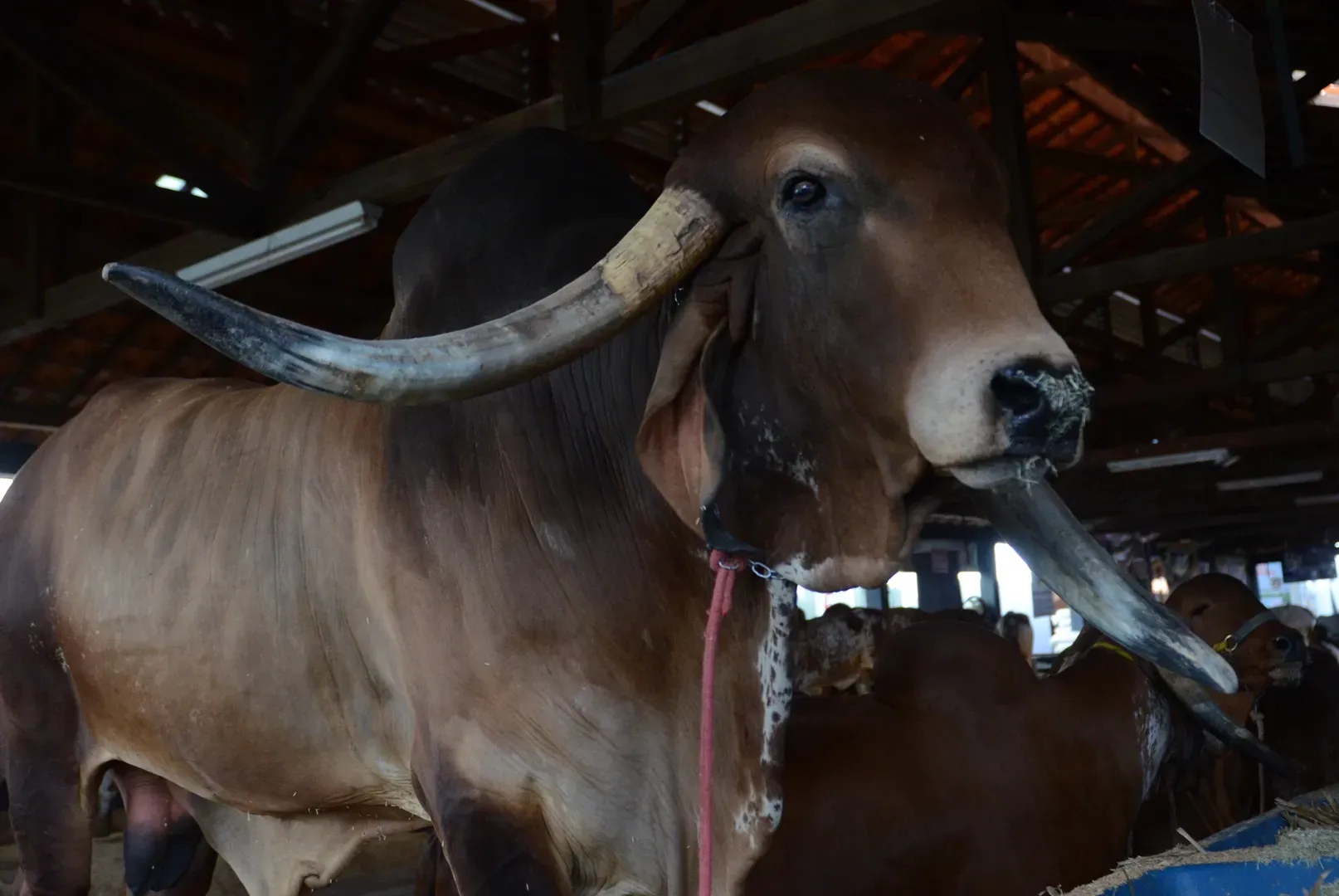
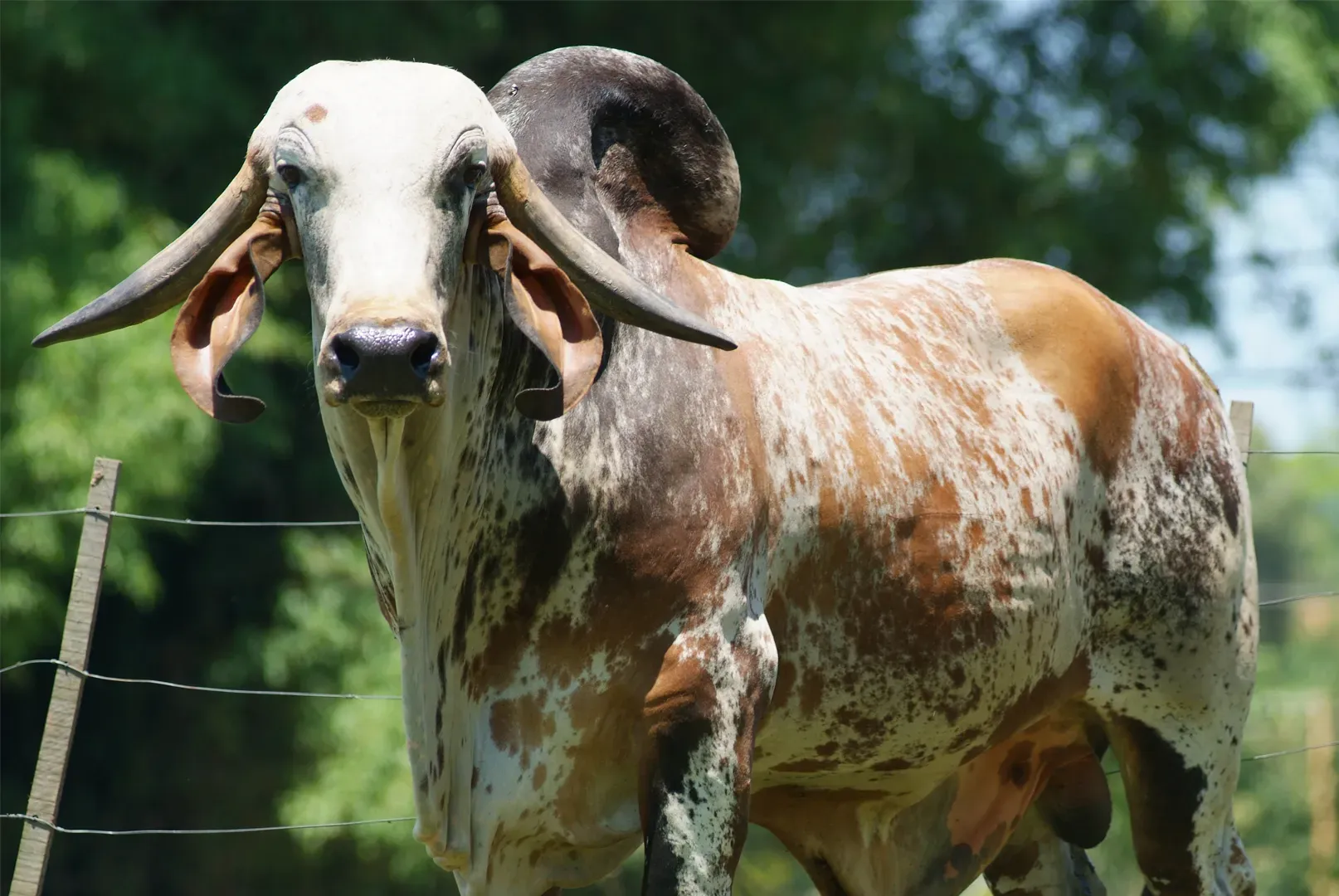
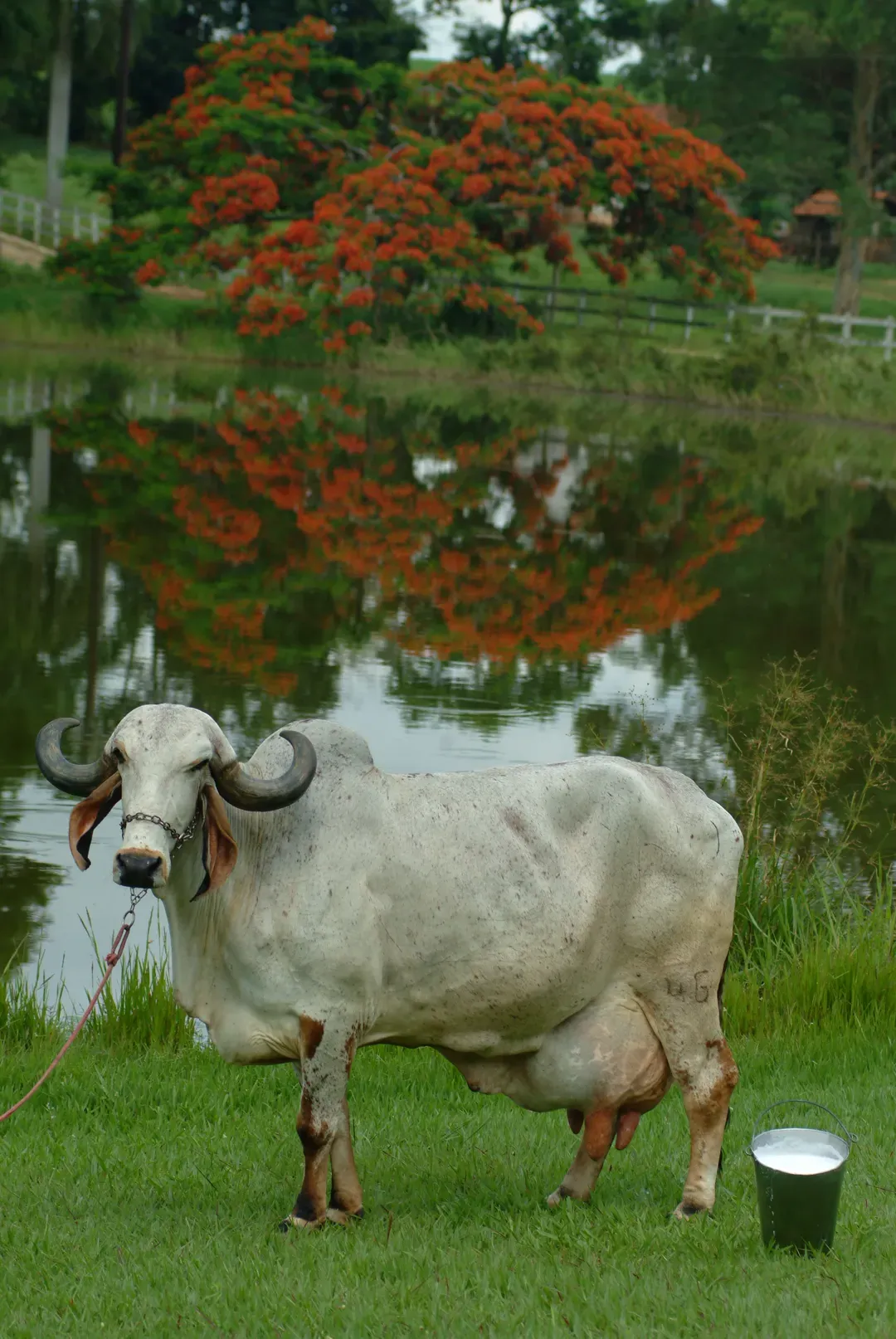
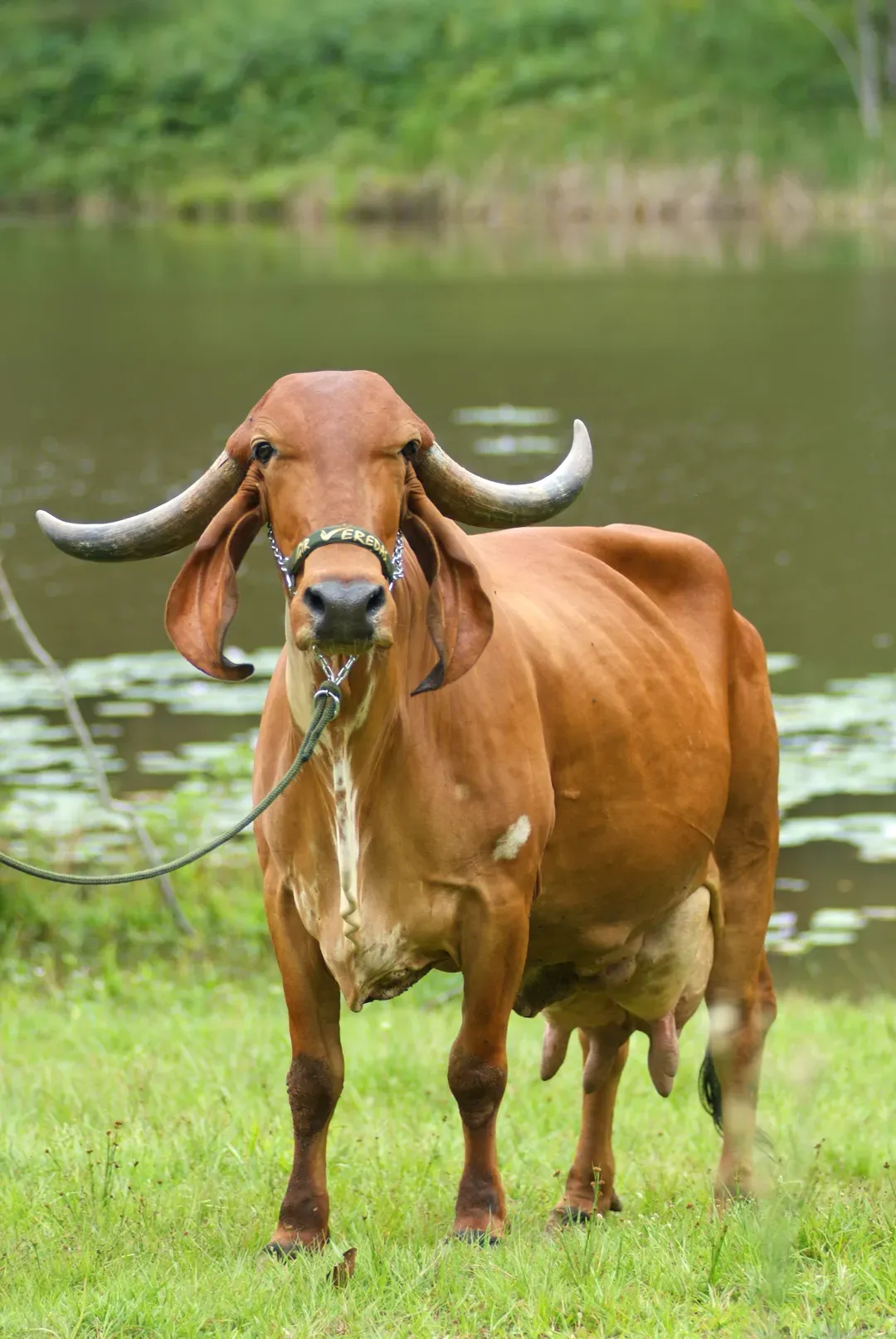
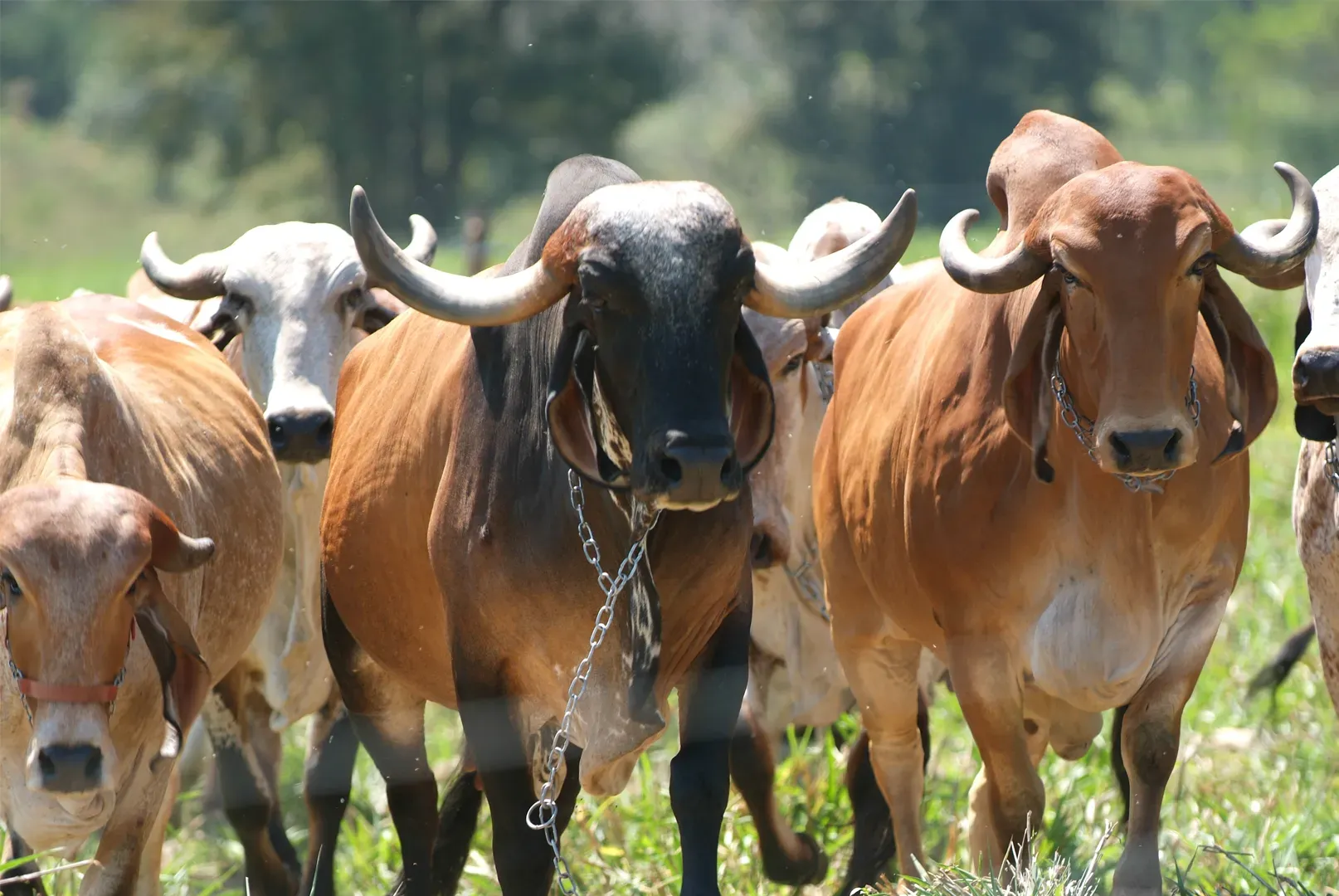
It has an ultra-convex profile, with the nape thrown backward and a wide, smooth forehead. It does not tolerate the presence of nimburi, as its horns grow downward and backward; those that curve upward and inward are preferred.
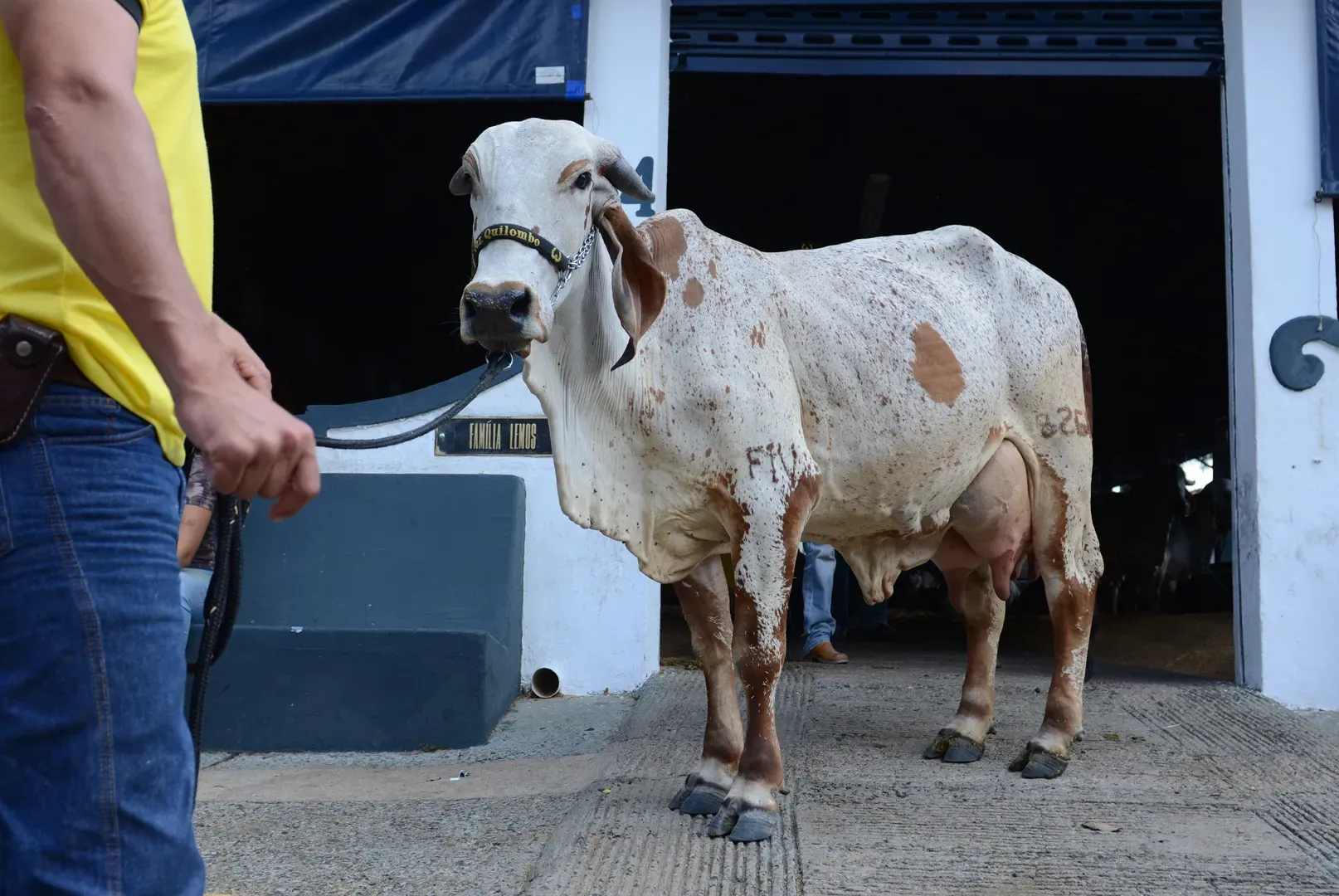
The ears are of medium length and drooping, starting out curled upon themselves, then opening with the tip facing the face, called the "hawk" shape.
Their coats vary, ranging from red or yellow in all shades, to having spots (small markings).
The roan and dappled coat colors are still considered ideal. The skin should be dark and pink on the udder and inguinal region, allowing for small areas of depigmentation anywhere on the body. The polled Gir, classified as another breed, presents the same biotype, differing from the base breed only by the absence of horns.
Advantages
The Gir breed plays a significant role and is of great importance in Brazilian dairy farming, whether raised as a purebred or through its numerous crossbreeds, such as with the Holstein breed, giving rise to the Girolando breed.
The average milk production is 3,777 kg in 305 days, which is more than three times the national average (960 kg). The lactation period is 307 days (average daily milk production of 12 kg).
According to EMBRAPA (Brazilian Agricultural Research Corporation), it is easy to observe lactations exceeding 5,000 kg of milk, and in many cases, exceeding 10,000 kg of milk.
The Gir and Gir Mocha breeds are docile animals with good temperaments and very well-defined breed characteristics. The females are excellent mothers and the calves require little care. The males are medium-sized animals with compact musculature. Females can reach 520 kg at 48 months and males more than 750 kg.