Origin
Hugh Watson became a tenant of Keillor in Angus in 1808. He amassed a large herd and produced cattle of excellent characteristics and quality. Hugh Watson could be considered the founder of the breed and was instrumental in selecting the best black and polled animals for his herd. His favorite bull was Old Jock, born in 1842 and son of Jock Grey-Breasted. Old Jock received the number “1” in the Scotch Herd Book when it was founded. Another of Watson's notable animals was a cow: Old Granny, born in 1824, who was said to be 35 years old and to have produced 29 calves. A large majority of Angus cattle today can trace their pedigrees back to these two animals.
When George Grant transported four Angus bulls from Scotland to the middle of the Kansas prairie in 1873, they were part of the Scotsman's dream of founding a colony of wealthy British cattle ranchers. Grant died five years later, and many of the settlers in his colony in Victoria, Kansas, later returned to their homeland. However, those four Angus bulls, likely from the herd of George Brown of Westertown, Fochabers, Scotland, made a lasting impression on the U.S. cattle industry.
Features
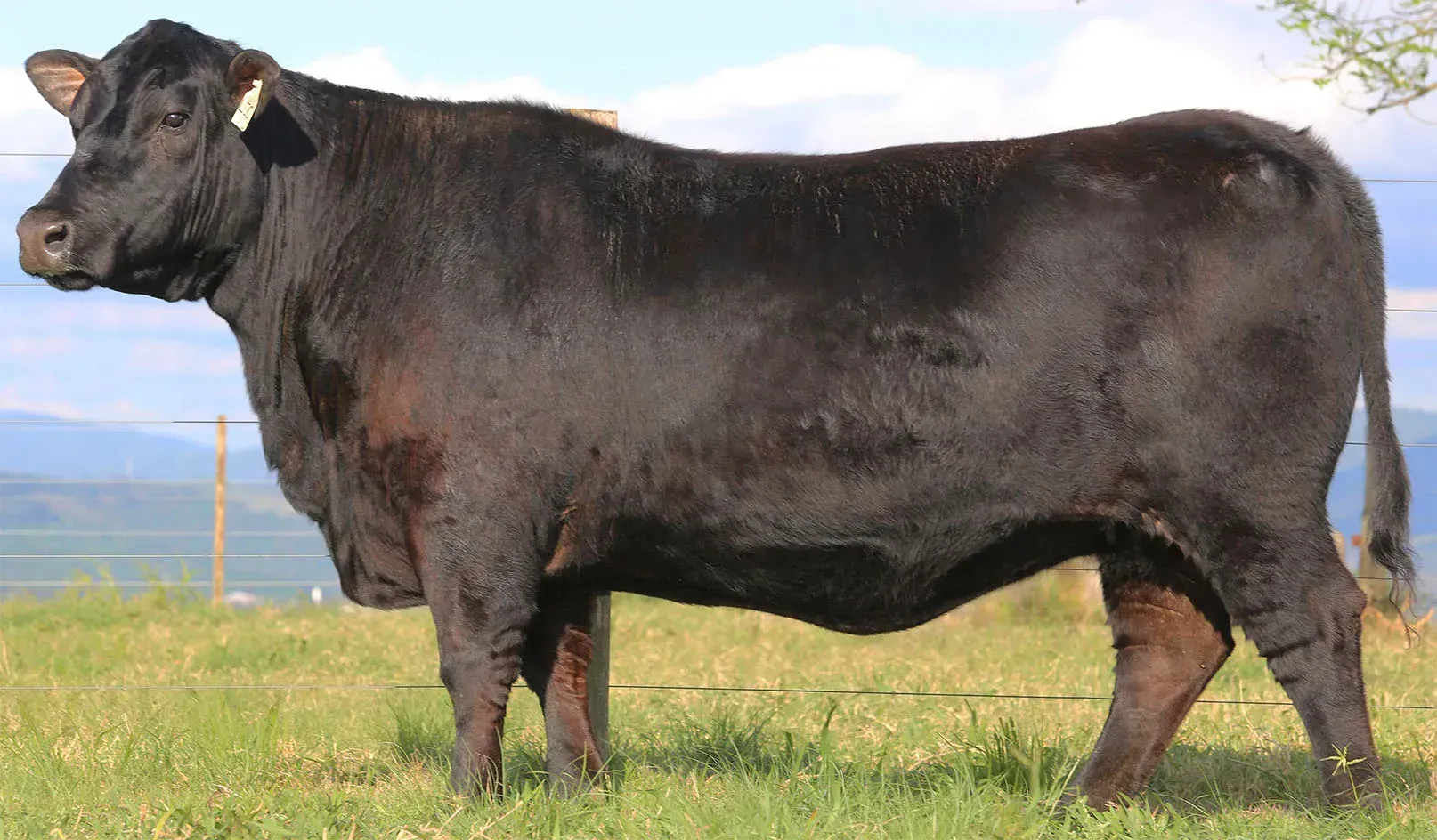
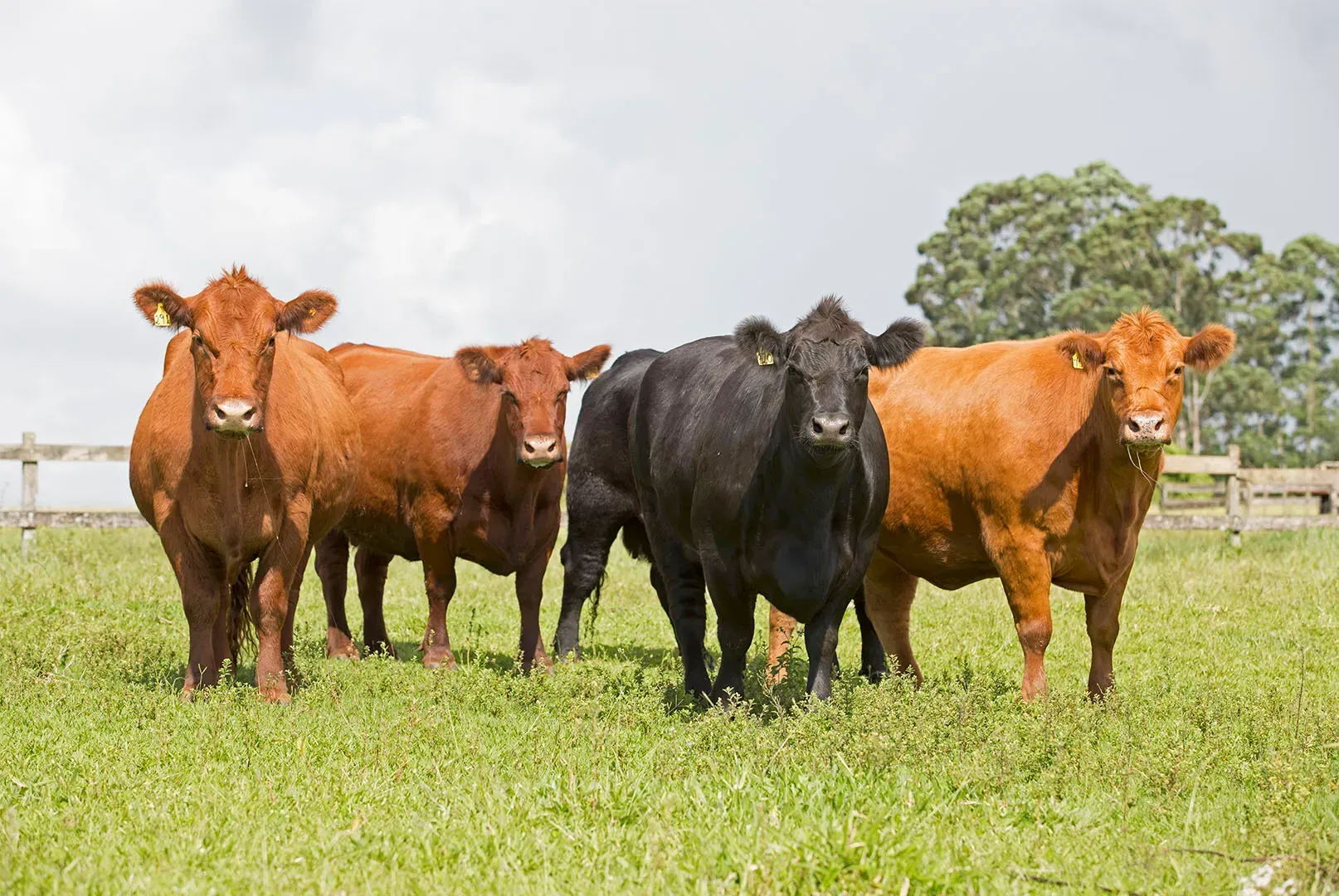
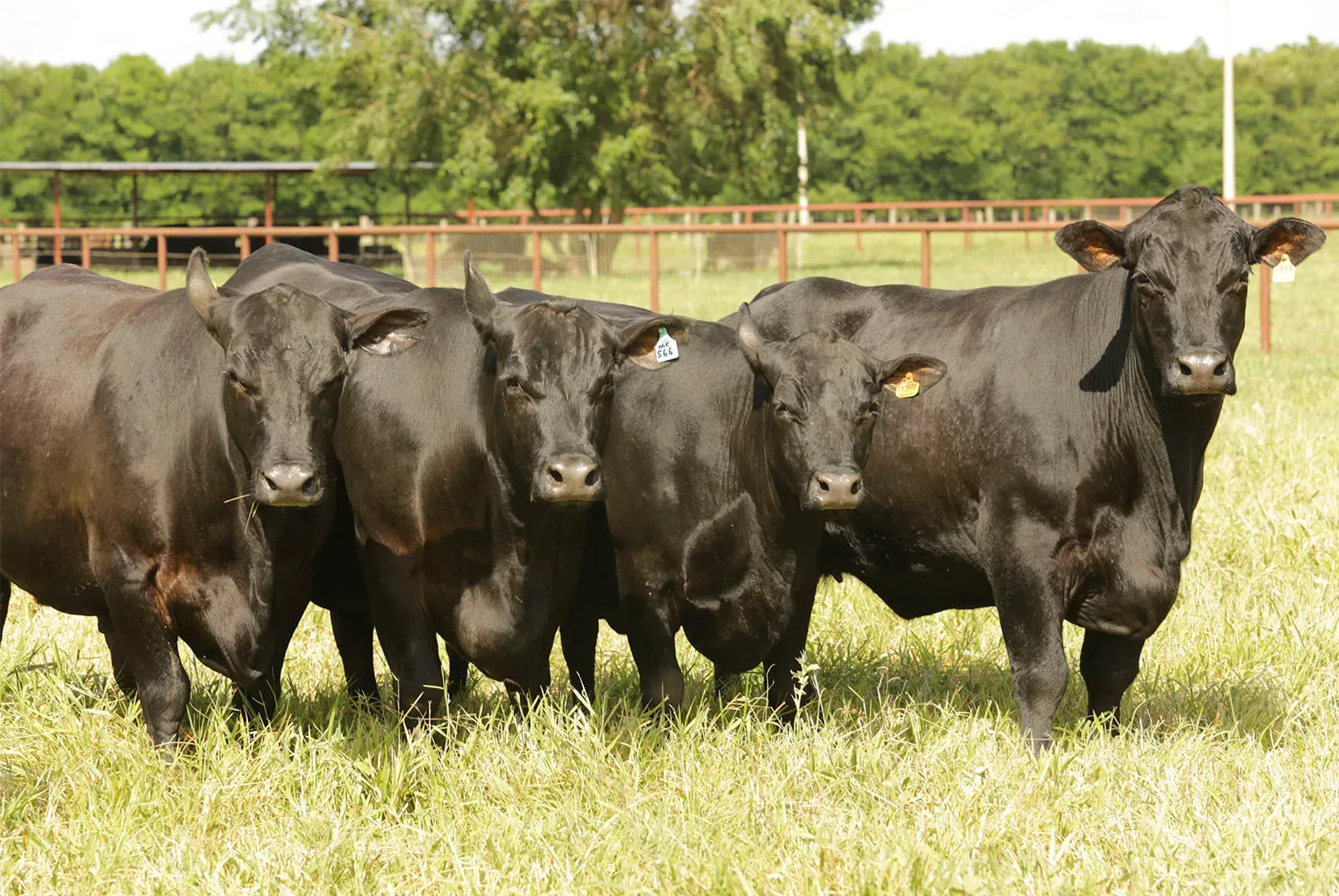
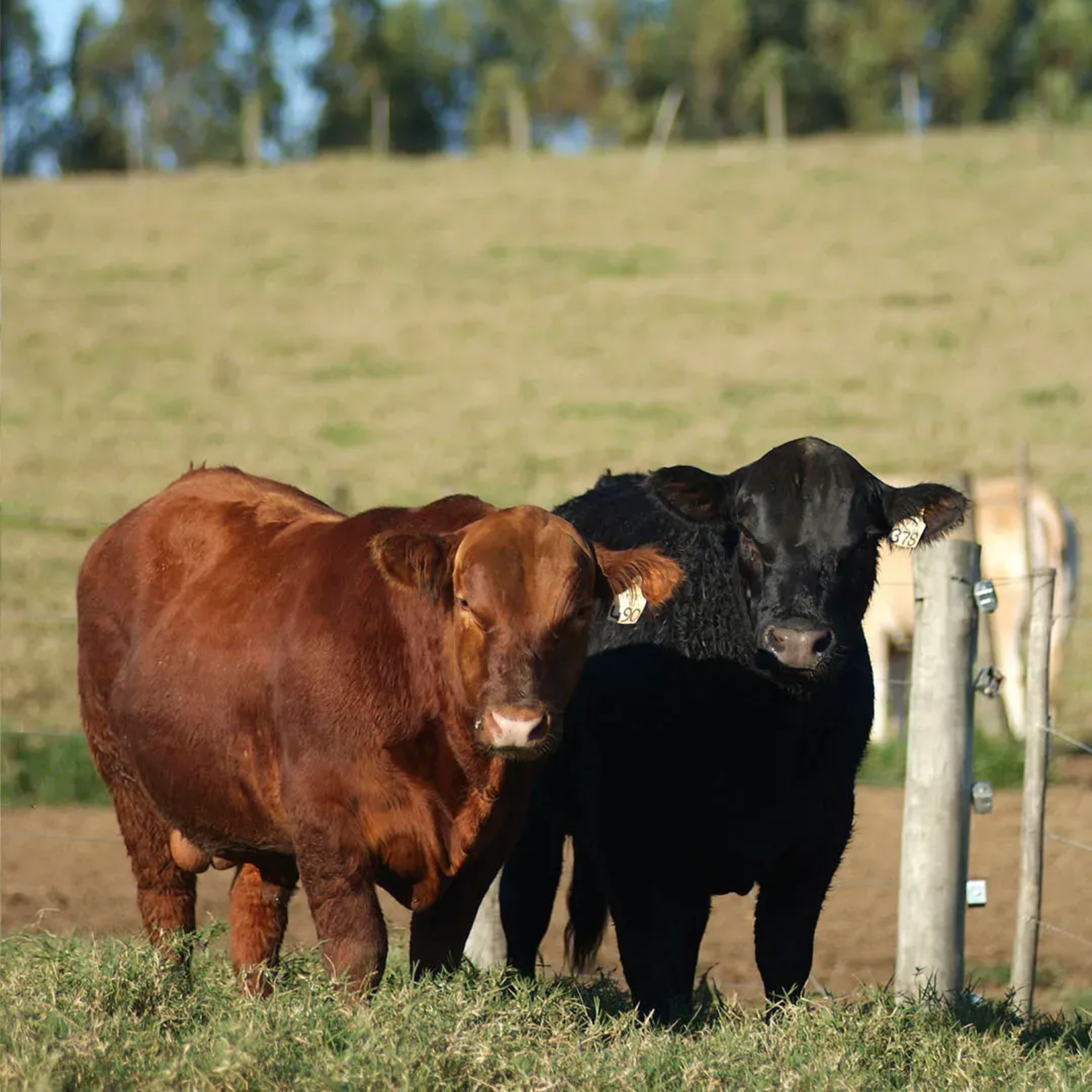
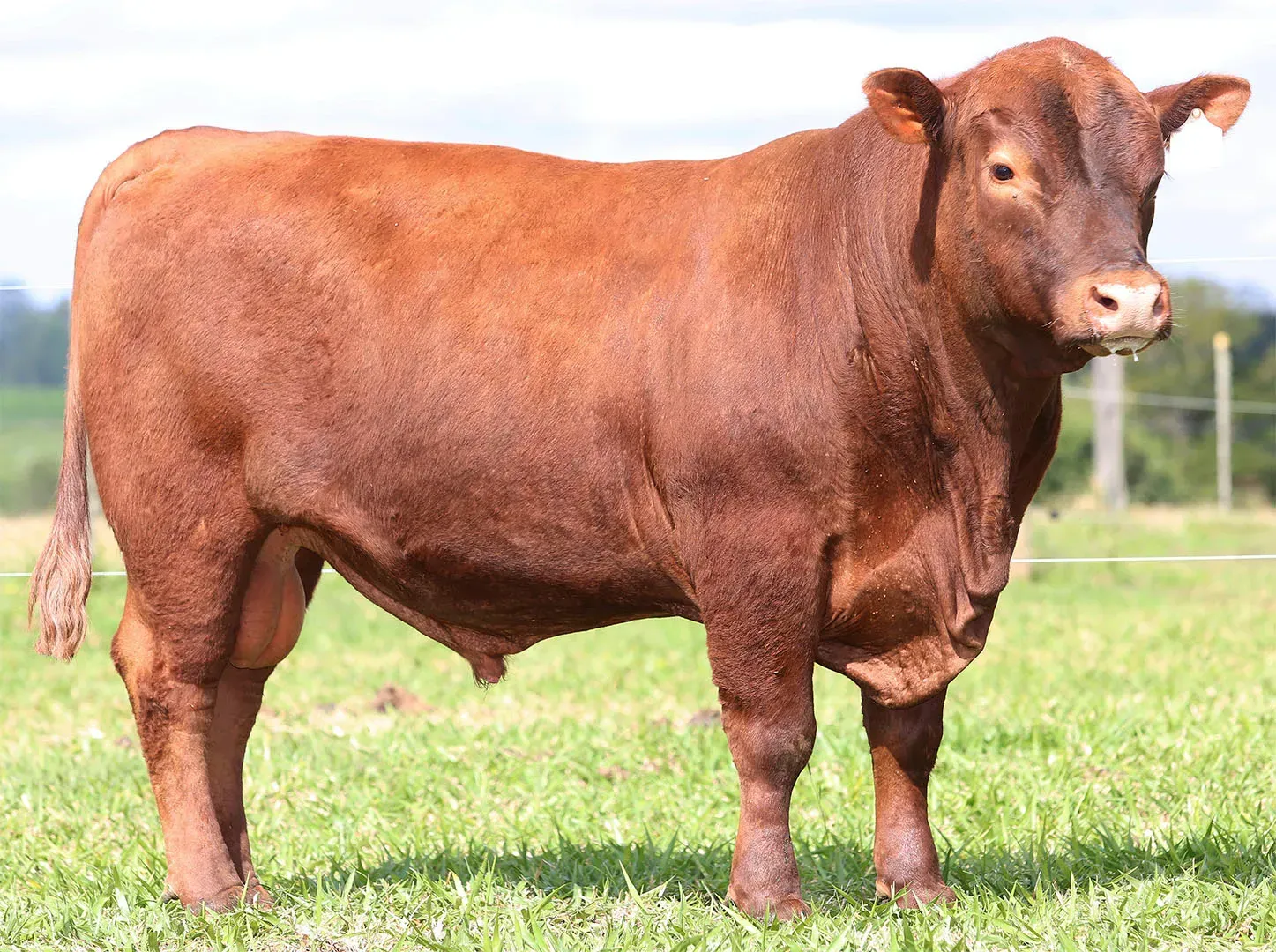
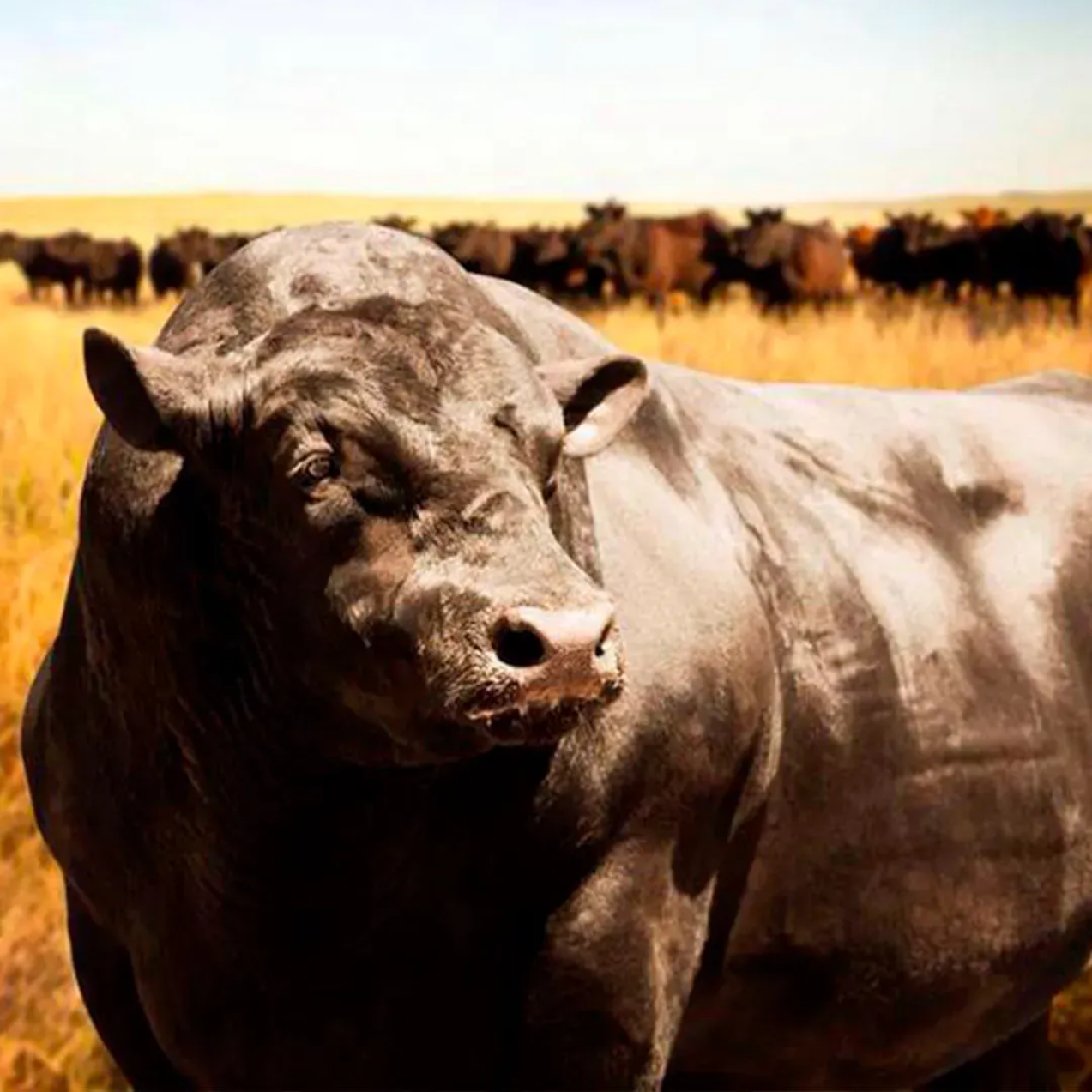
Aberdeen Angus cattle are polled and can be black or red, although black is the dominant color, white may occasionally appear on the udder.
They are weather-resistant, undemanding, adaptable, good-natured, mature very early, and have a high carcass yield with well-marbled meat. The Angus breed is known as a beef breed. They are widely used in crossbreeding to improve carcass quality and maternal ability. They are also used as genetic "dehorners," as the gene is transmitted as a dominant trait.
Advantages
Sexual precocity, fertility, and stayability (remaining in the herd). The Angus cow does its job well, whether it's with the first or fourteenth calf.
Naturally polled – dehorning Angus cattle is not necessary. There is no occurrence of eye cancer or burnt udders, as the dark skin and udder of Angus cattle make problems in these areas rare. Adaptable to all climatic conditions, Angus cattle thrive in all environments with minimal maintenance.