Origin
In the 1800s, N'Dama cattle were imported from Senegal, West Africa, to the Caribbean island of Saint Croix, Virgin Islands. The N'Dama, a Bos Taurus breed, was an excellent alternative for the Caribbean not only because of its resistance to heat, insects, parasites, and diseases, but also because of its ability to survive in regions with poor pastures.
In 1889, Henry C. Neltropp, one of the largest N'Dama breeders, owned a herd of 250 head, which consisted of purebred animals. Bromlay, Henry C. Neltropp's son, wanted to develop cattle that combined higher production aptitudes with the environmental conditions of the Virgin Islands. Previous efforts to introduce cattle from temperate regions had failed due to the heat and nutritional stress these animals suffered when subjected to the harsh climate and pasture conditions of the island.
In 1918, Red Poll genetics were introduced to the Neltropp herd with the aim of improving maternal ability, fertility, and giving the animals a polled (hornless) characteristic. This crossbreeding of Red Poll with N'Dama animals was essential to continue the process and establish the foundation of the Senepol breed.
Features
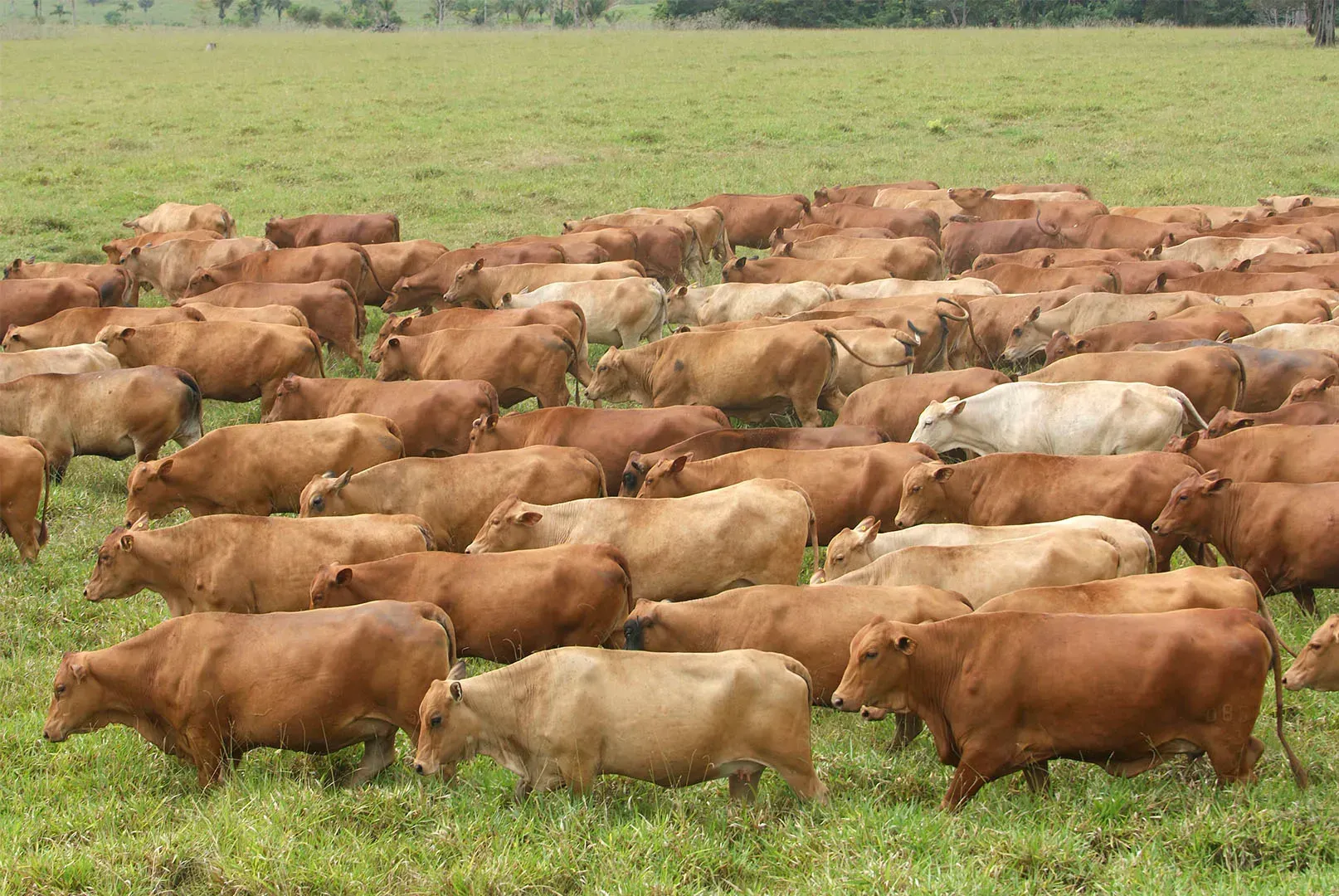
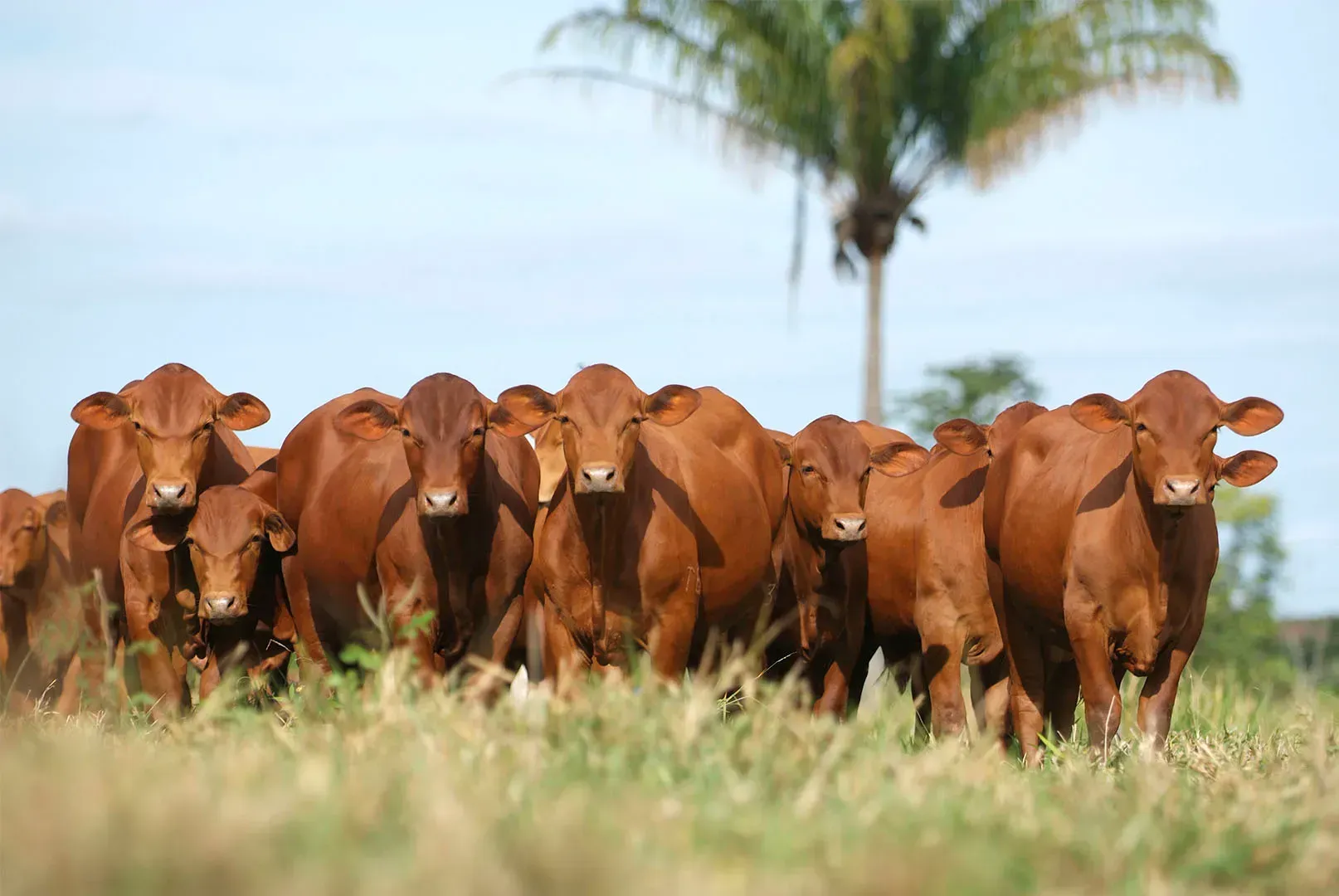
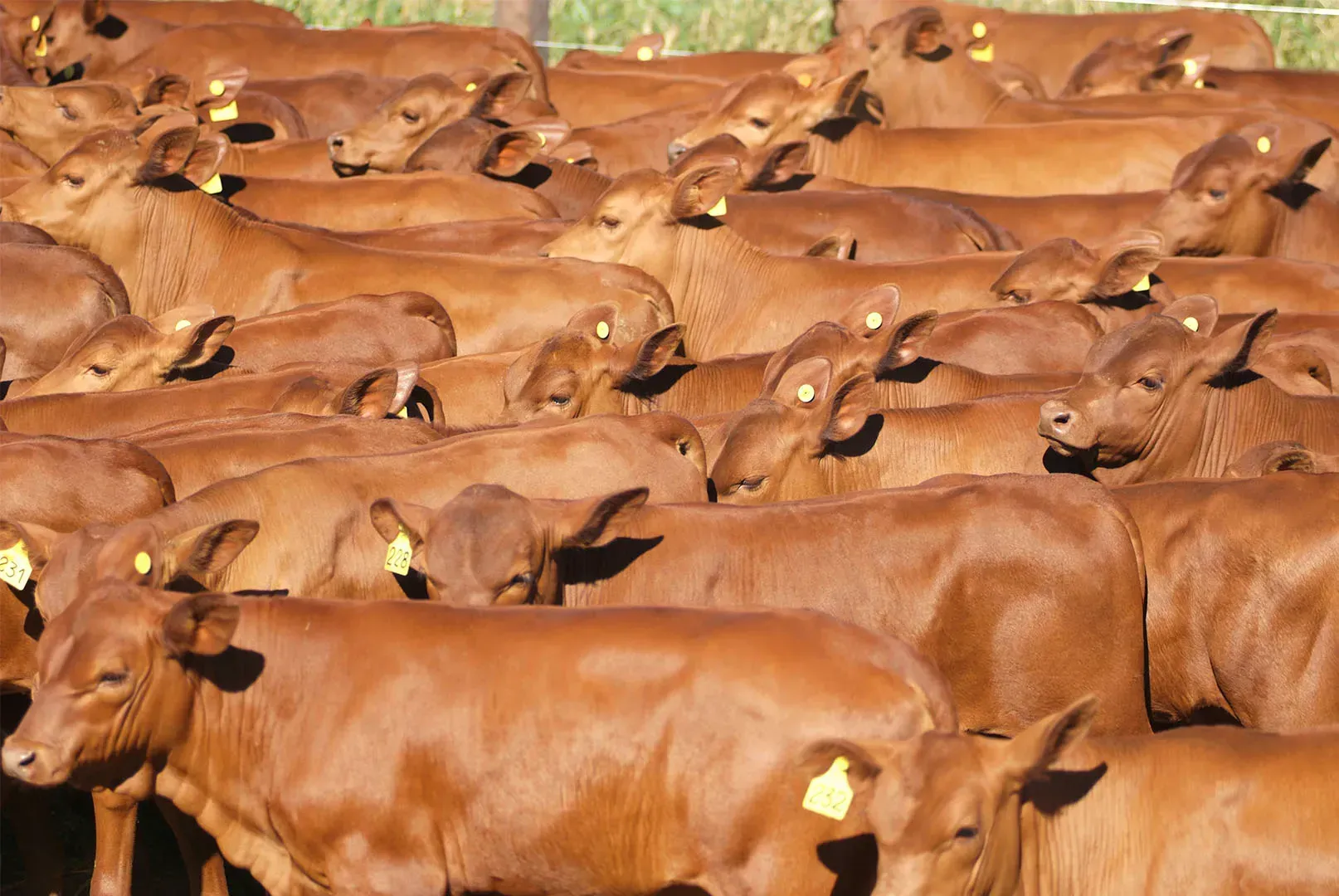
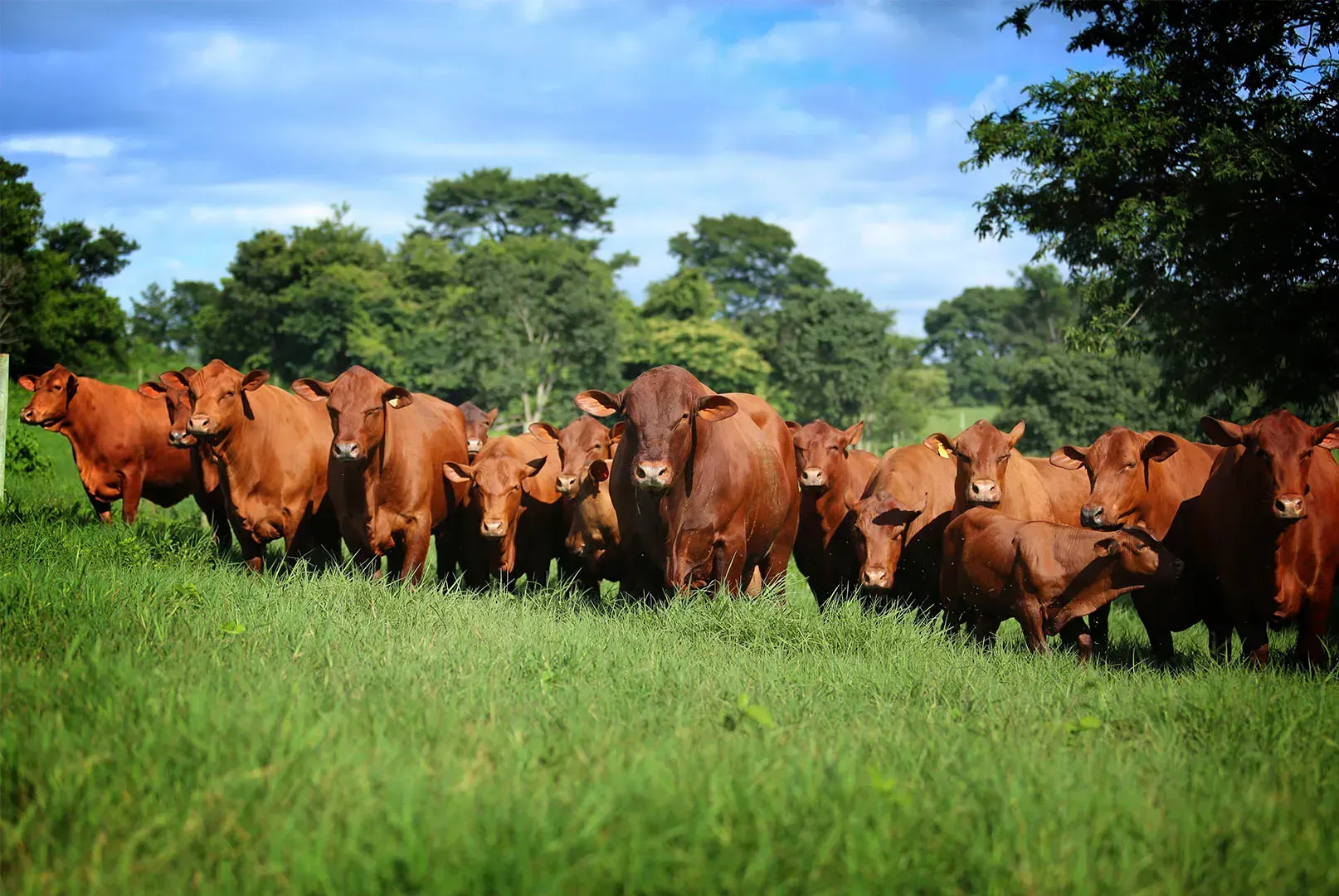
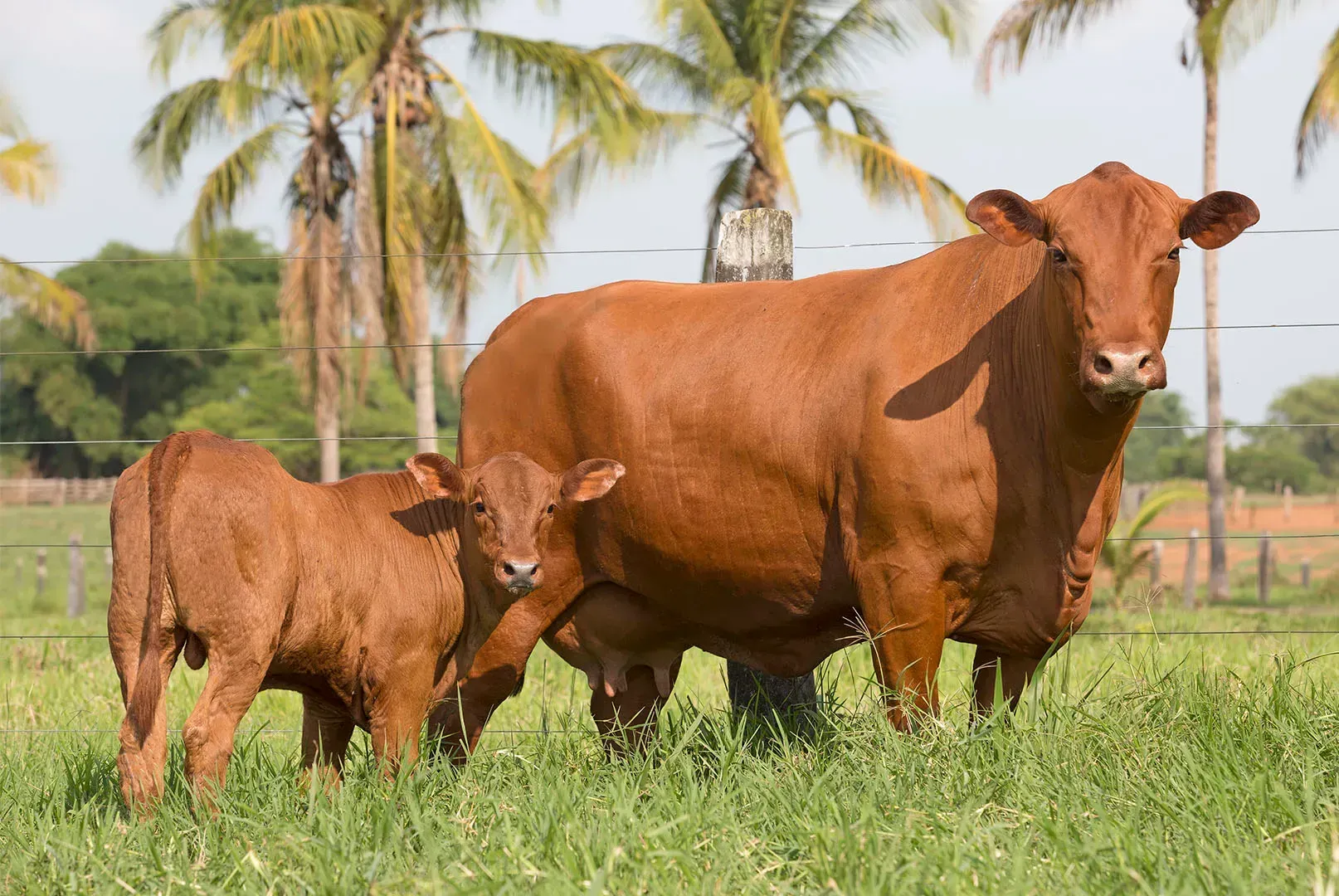
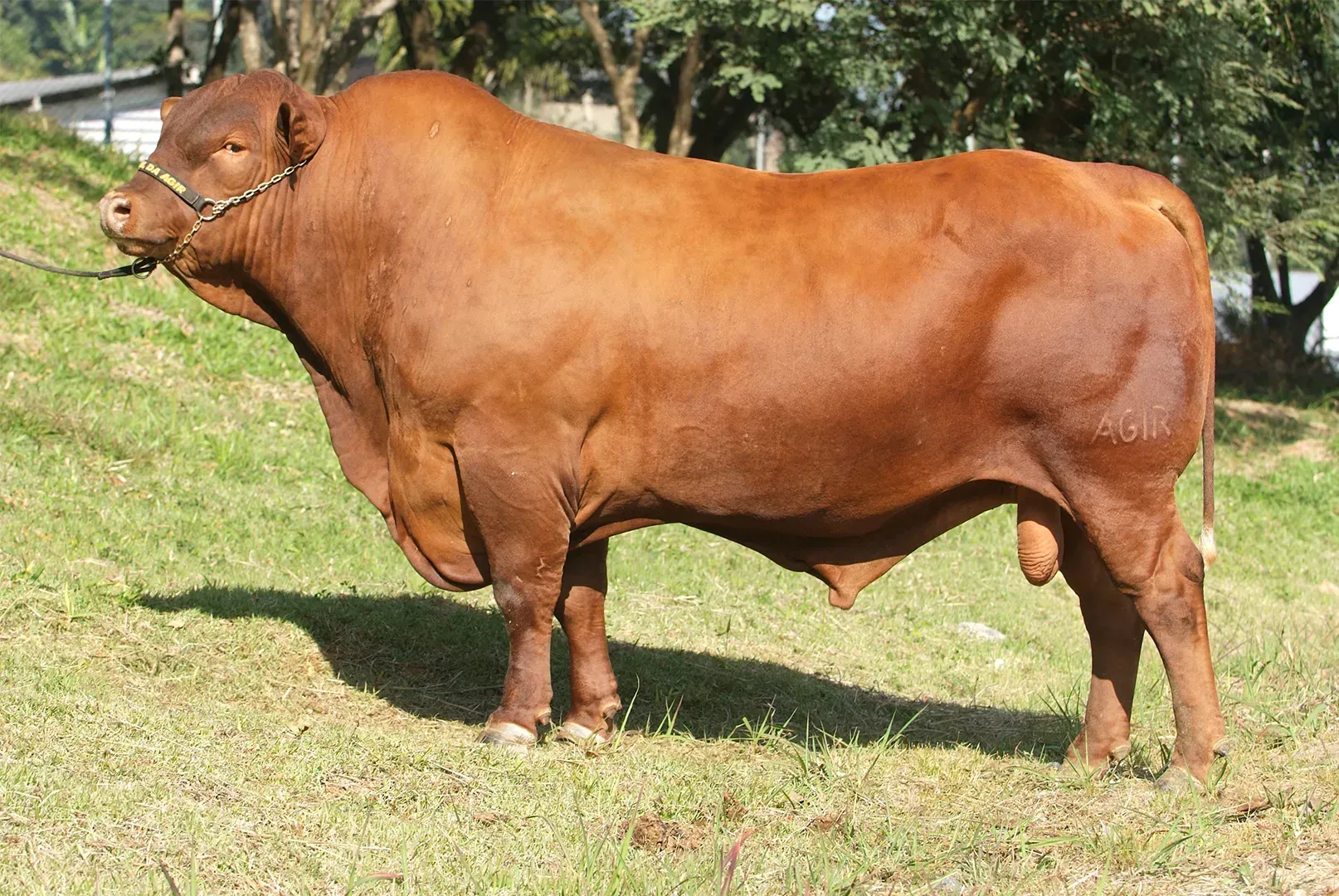
The Senepol breed is of moderate size, has a standardized color, and is polled (hornless). This allows for the production of batches with more standardized carcasses for slaughter.
Adult cows weigh on average 450 to 650 kg. They consistently wean calves at 50% or more of their body weight, maintaining an efficient calving interval. Cows remain in production for more than 15 to 20 years.
Advantages
Heat tolerance
Resistance to diseases, endo- and ectoparasites
Ease of calving and vigor of the calf
Maternal skills
Longevity
Owl-like character
Hybrid vigor
Tender meat with great flavor