Origin
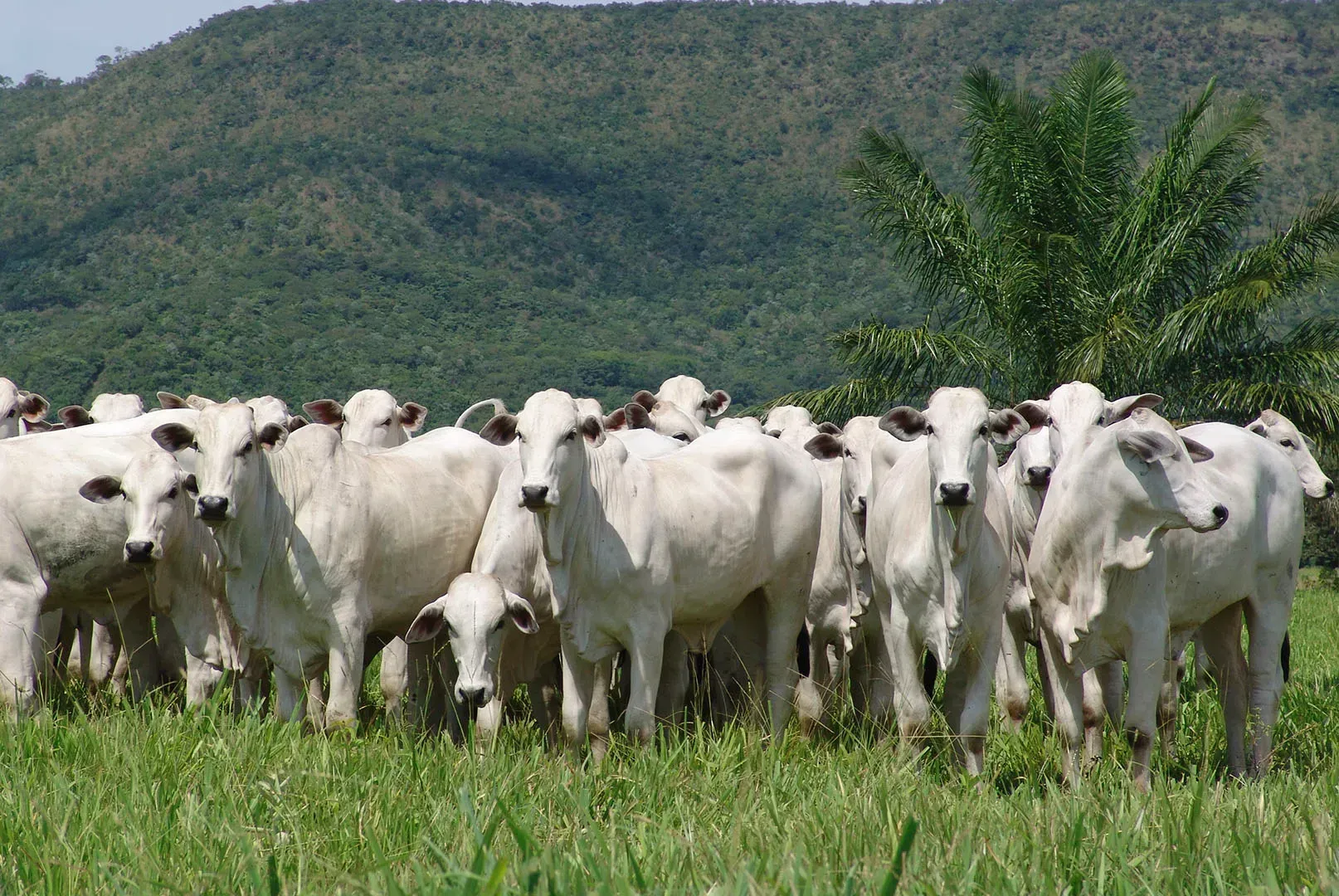
The Nelore breed originates from the Ongole region in the state of Madras, and bears the same name: Ongole. Among the various imports, the one in 1962 stands out, when the following sires arrived: Karvadi, Kurupathi, Godhavari, Golias, Taj Mahal, and Rastã. Due to its high adaptation to the tropical climate, strong defensive instinct, and excellent survival capacity of its offspring, the Nelore breed quickly conquered Brazilian territory and today represents about 76% of the animals registered with ABCZ, participating in approximately 80% of the country's meat production.
Features
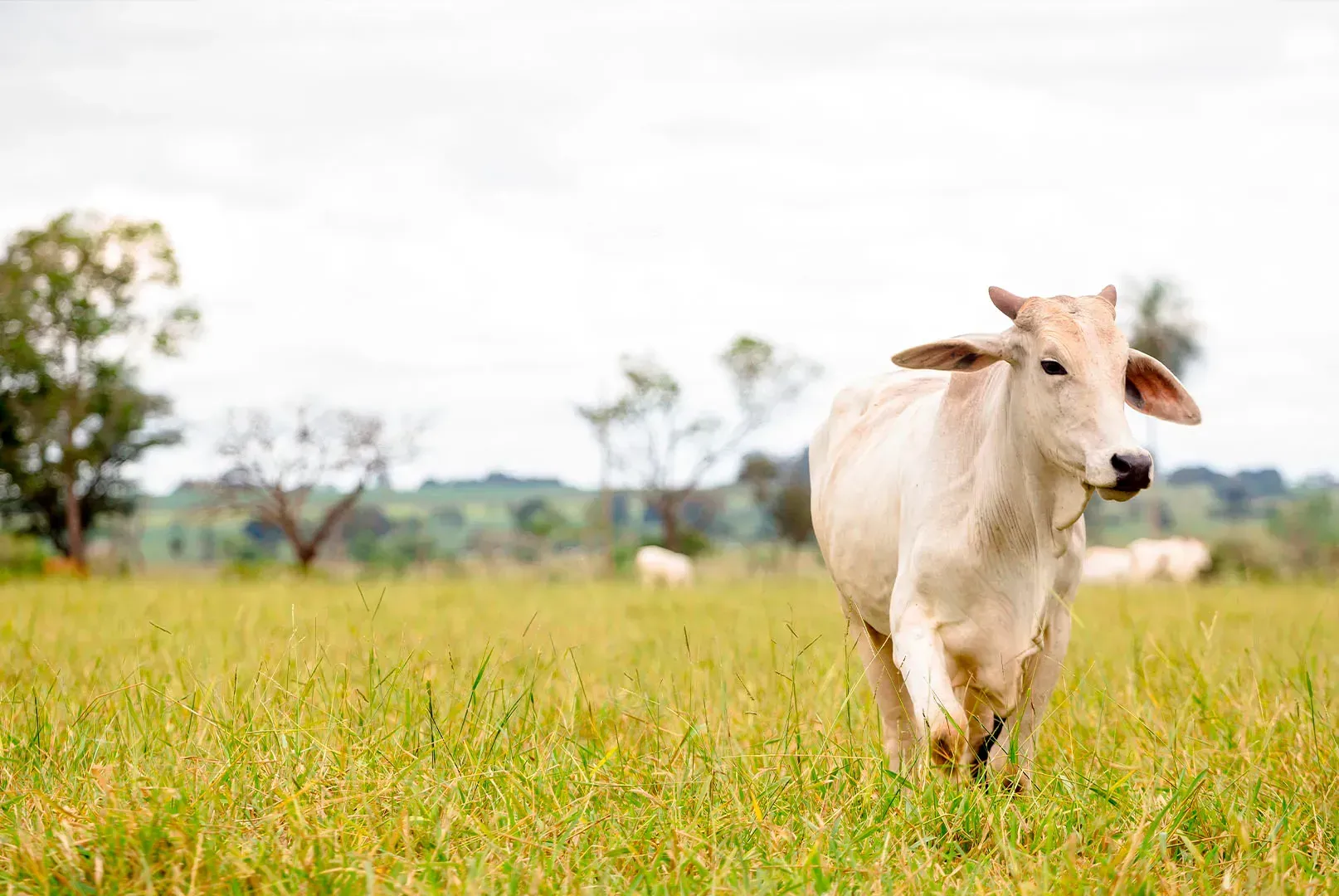
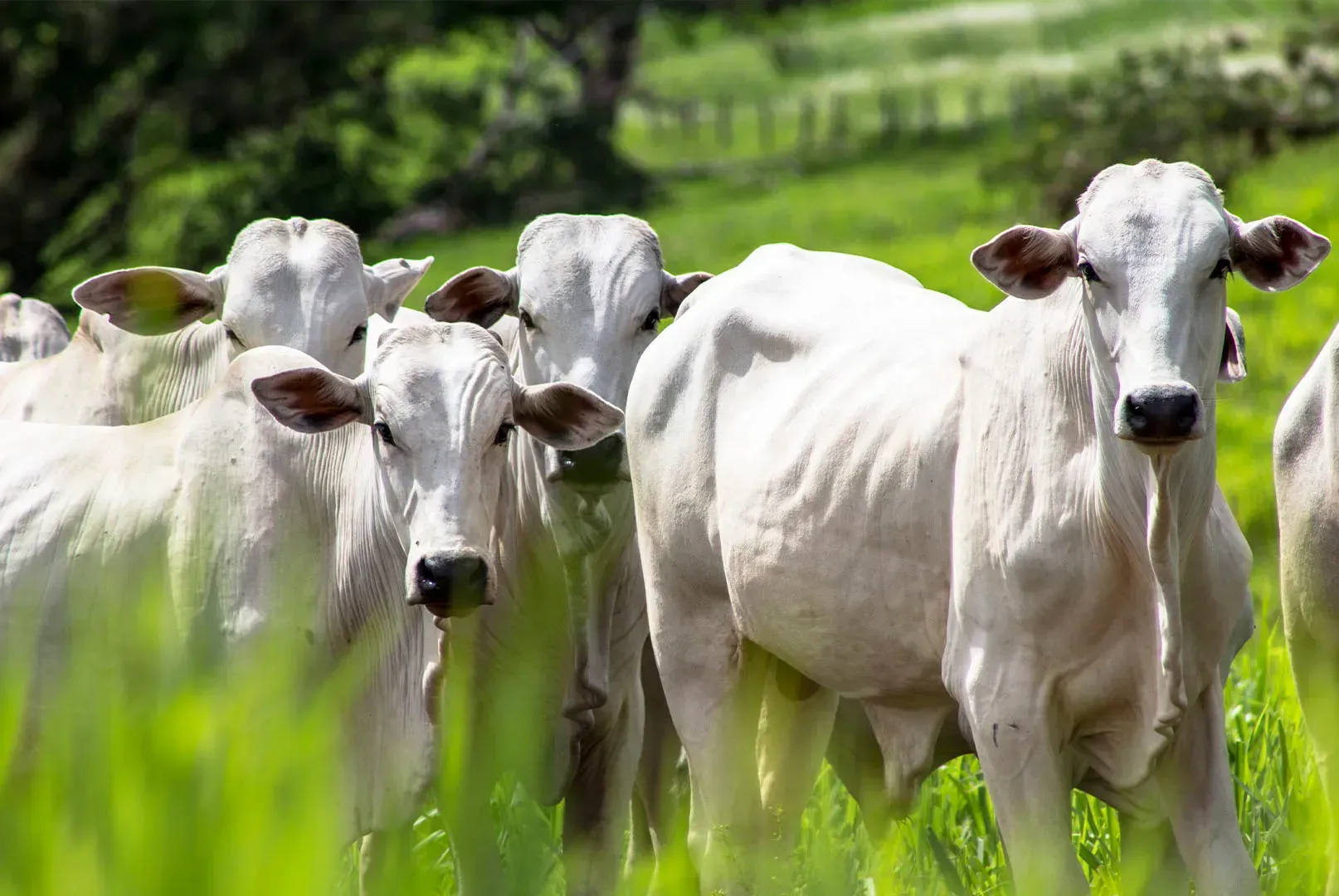
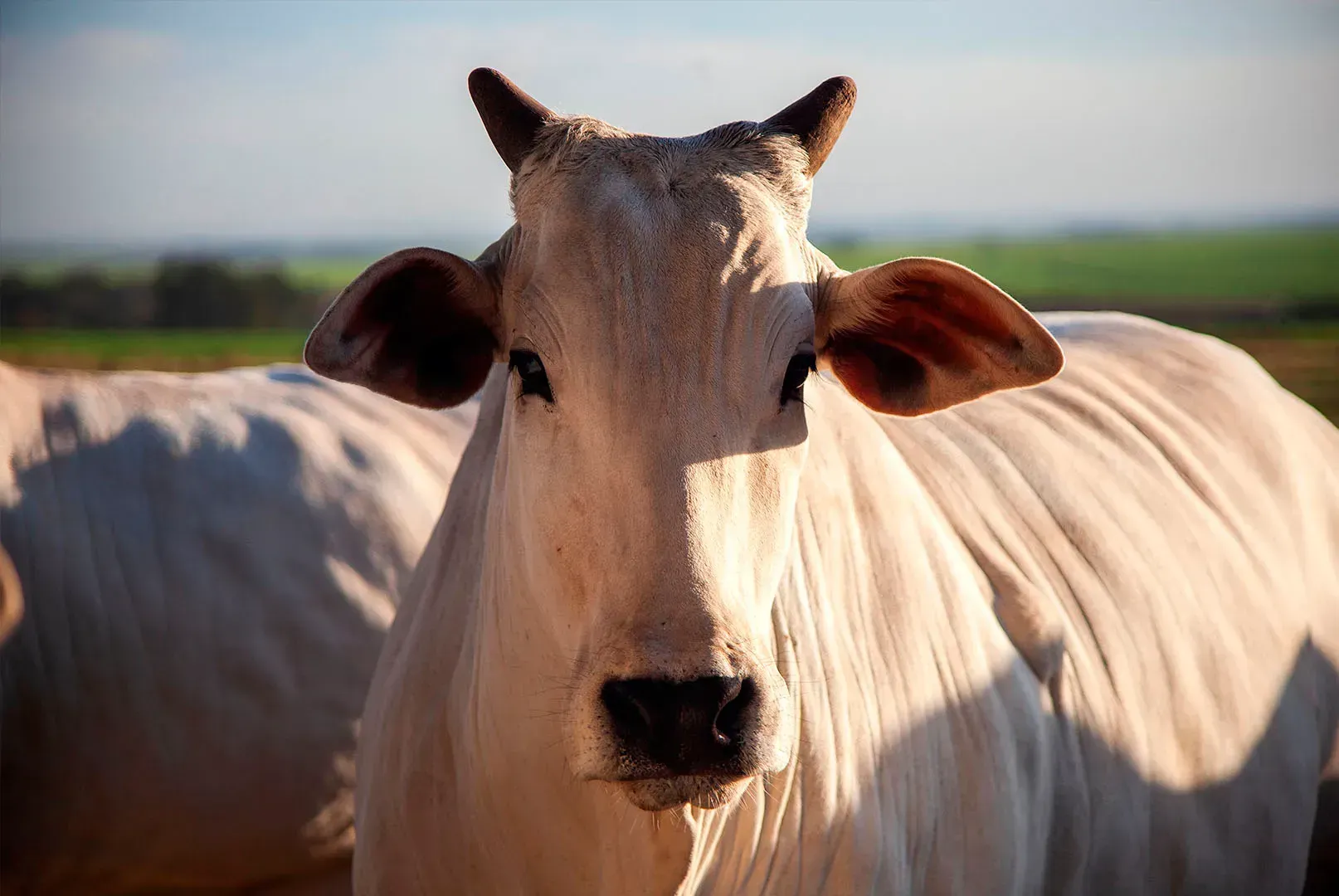
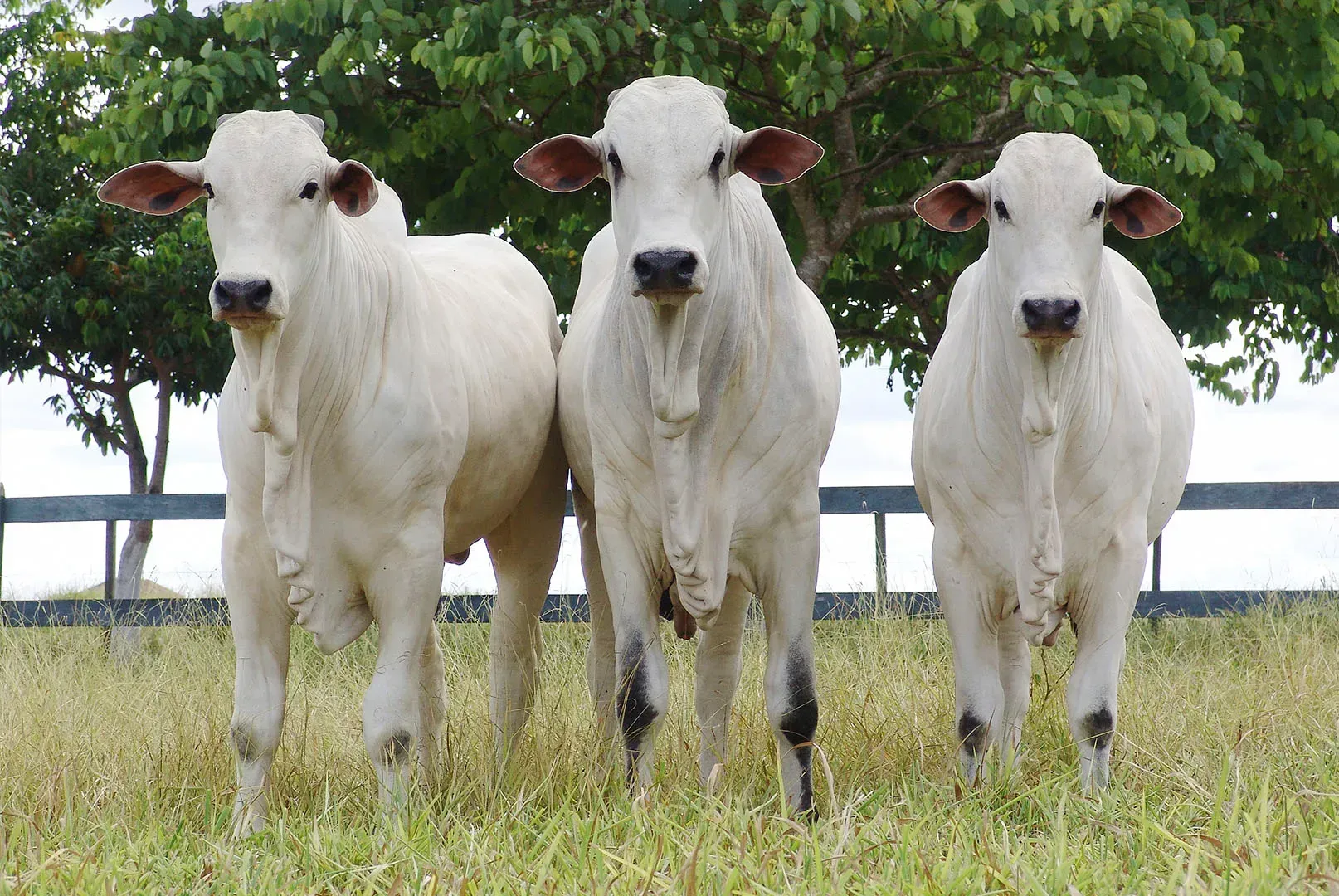
The Nelore breed is characterized by its white, gray, and gray-spotted coats, with red, yellow, or black colors being permissible in their various shades. Generally, males have darker extremities, short, horizontal ears ending in a spear point, and always facing forward with lively movement.
The coffin-shaped head and slightly convex profile are distinctive characteristics. In dark-colored horns, large variations are permitted, provided they are short, flat, and oval in cross-section, following the profile of the head and never pointing forward.
In males, the hump is developed in the shape of a cashew nut, while in females it is smaller and more delicate. Since 1969, the polled trait has been permitted in Nelore cattle, making it an excellent option for breeders who want hornless animals. The presence of a dewlap or cupping is permitted in this breed.
Advantages
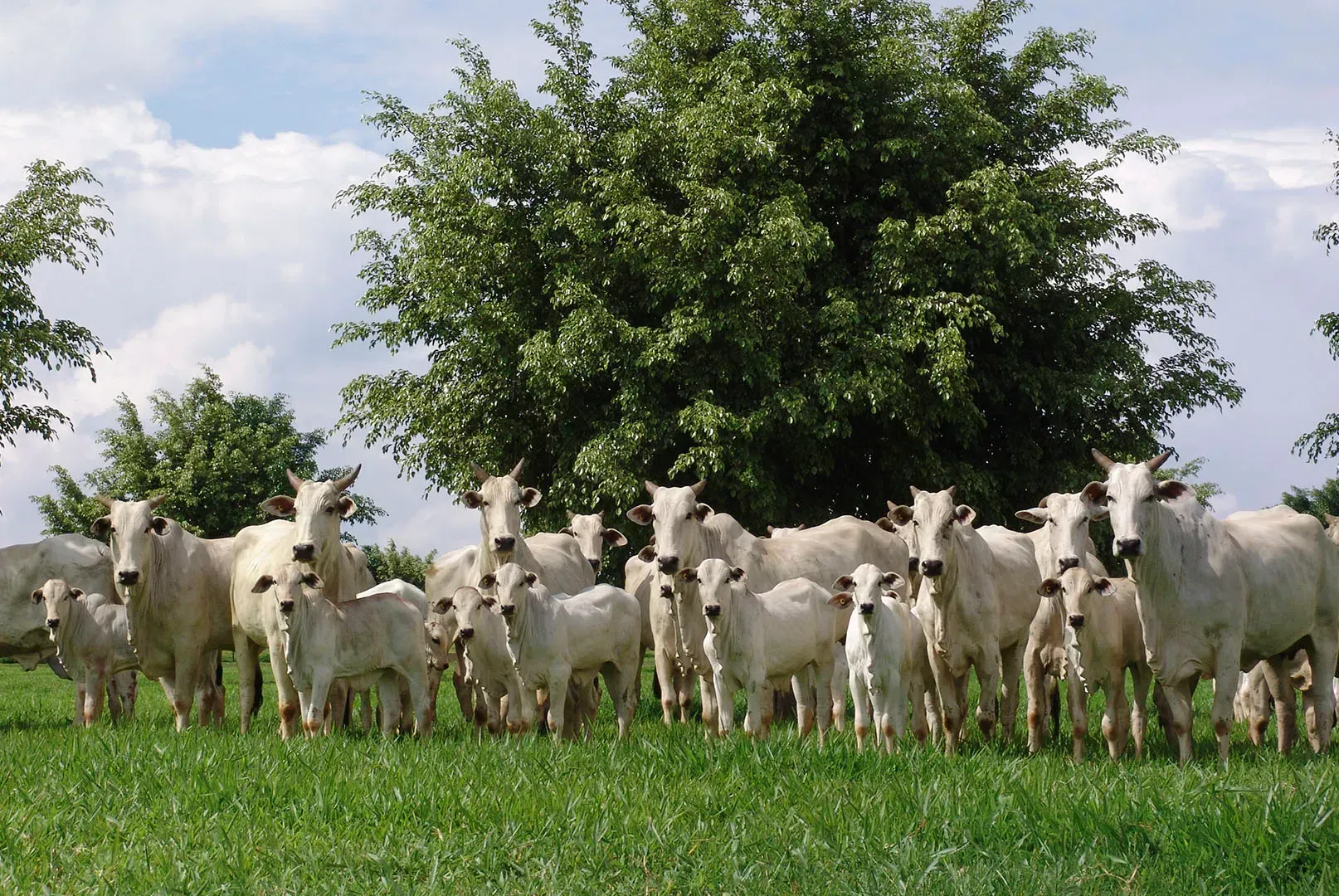
The females stand out for their high fertility and excellent calving ability. The calf is very active from birth, quickly standing up and seeking to nurse. The bulls have a navel and sheath suitable for extensive production, with high libido being a striking characteristic of this breed.
Nelore cattle exhibit high precocity, both in sexual maturity and carcass finishing, good feed conversion, and great hardiness, adapting to diverse regions. Weight gains exceeding 1,000 grams/day are common. At 36 months, females can reach 570 kg and males over 790 kg.