Origin
A Brazilian breed, originating from the region of the city of Tabapuã, in the State of São Paulo. The foundation of the breed was a naturally polled bull with white fur and great development which, when mated with predominantly Nelore females, gave rise to polled animals with excellent conformation.
Selection work for this breed began in 1940, but it was only officially recognized by the Ministry of Agriculture in 1971.
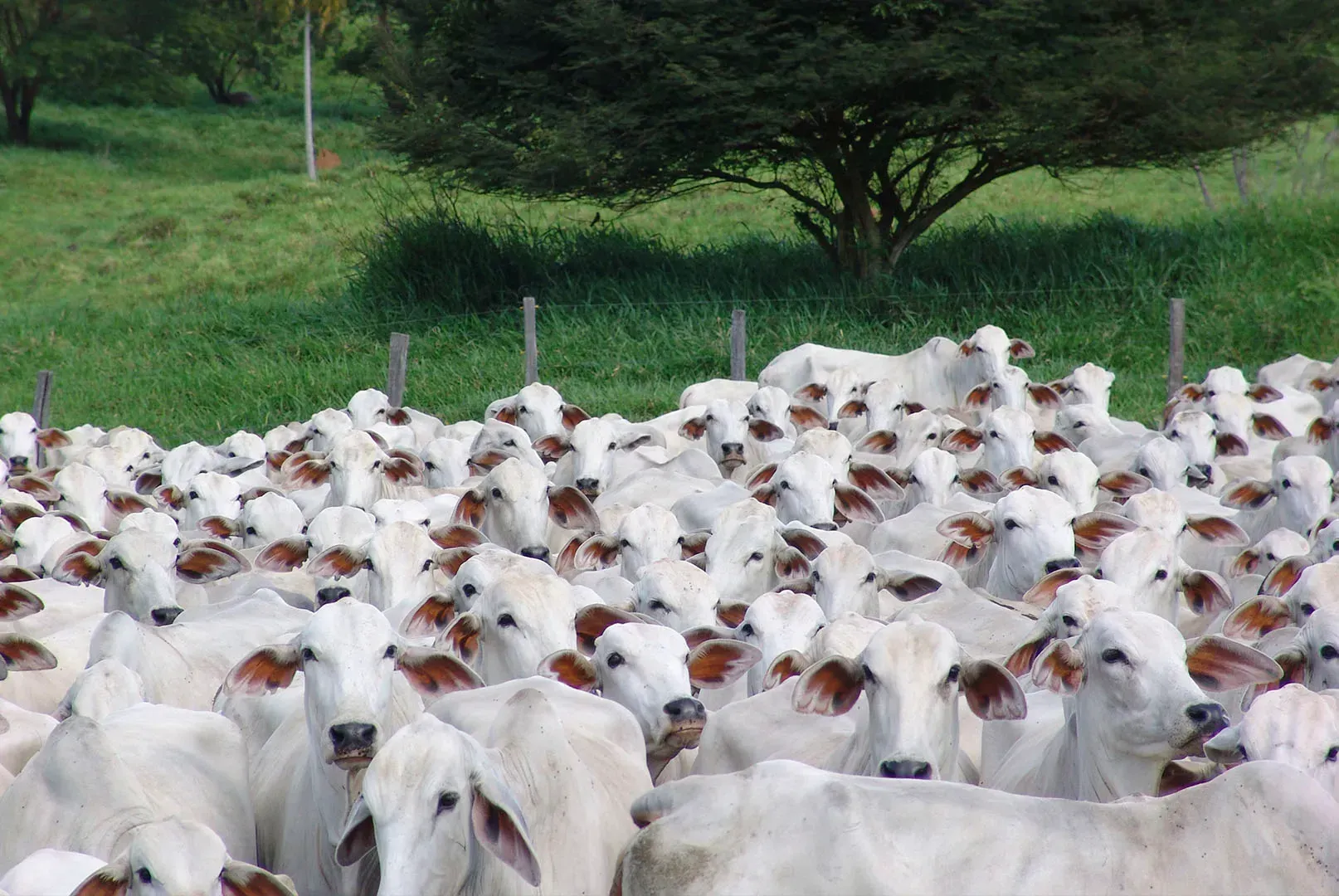
The Tabapuã cattle breed has experienced the greatest growth in its lineage in Brazil over the last 12 years, always based on zootechnical tests, making it an excellent option for industrial crossbreeding or as a purebred.
Features
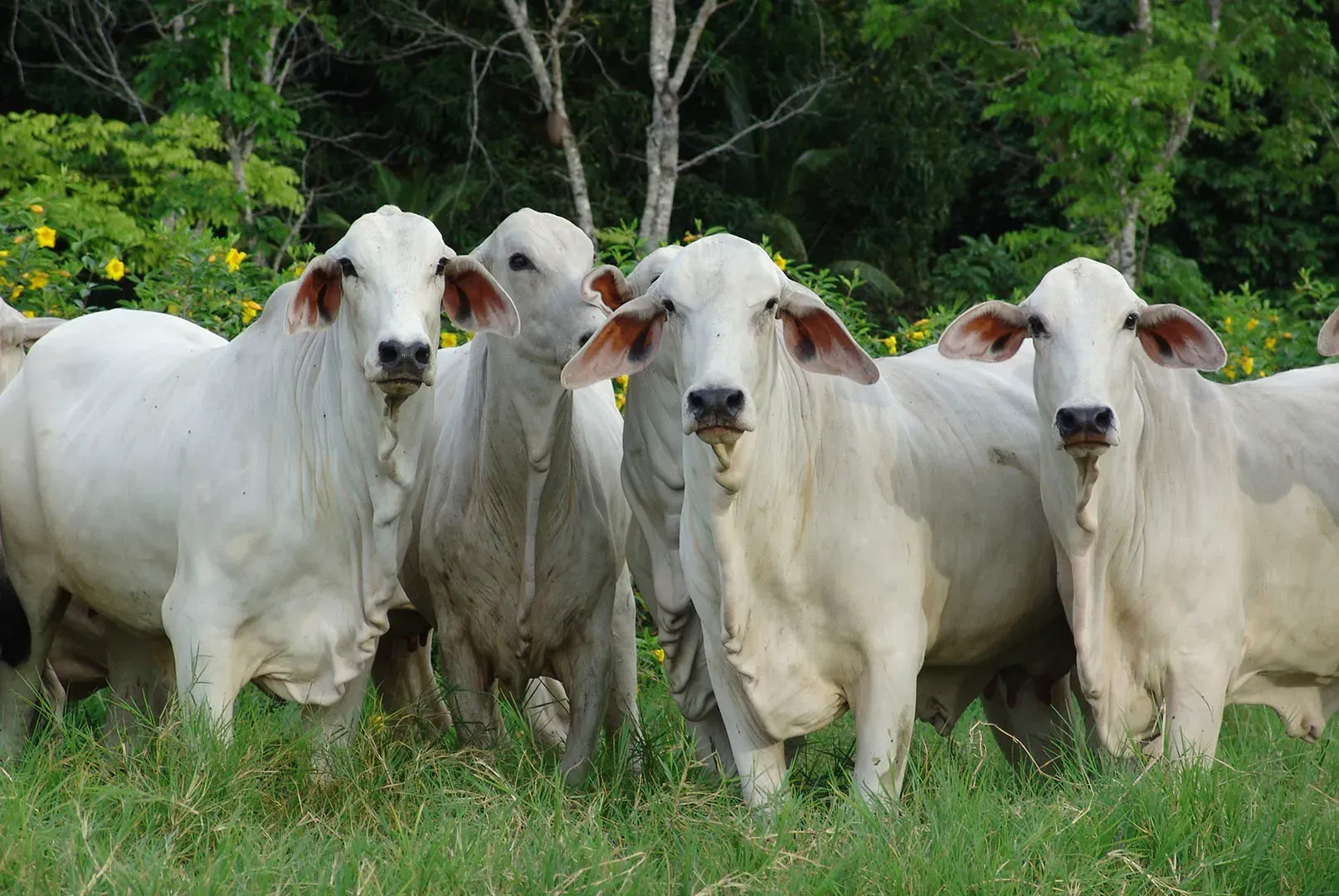
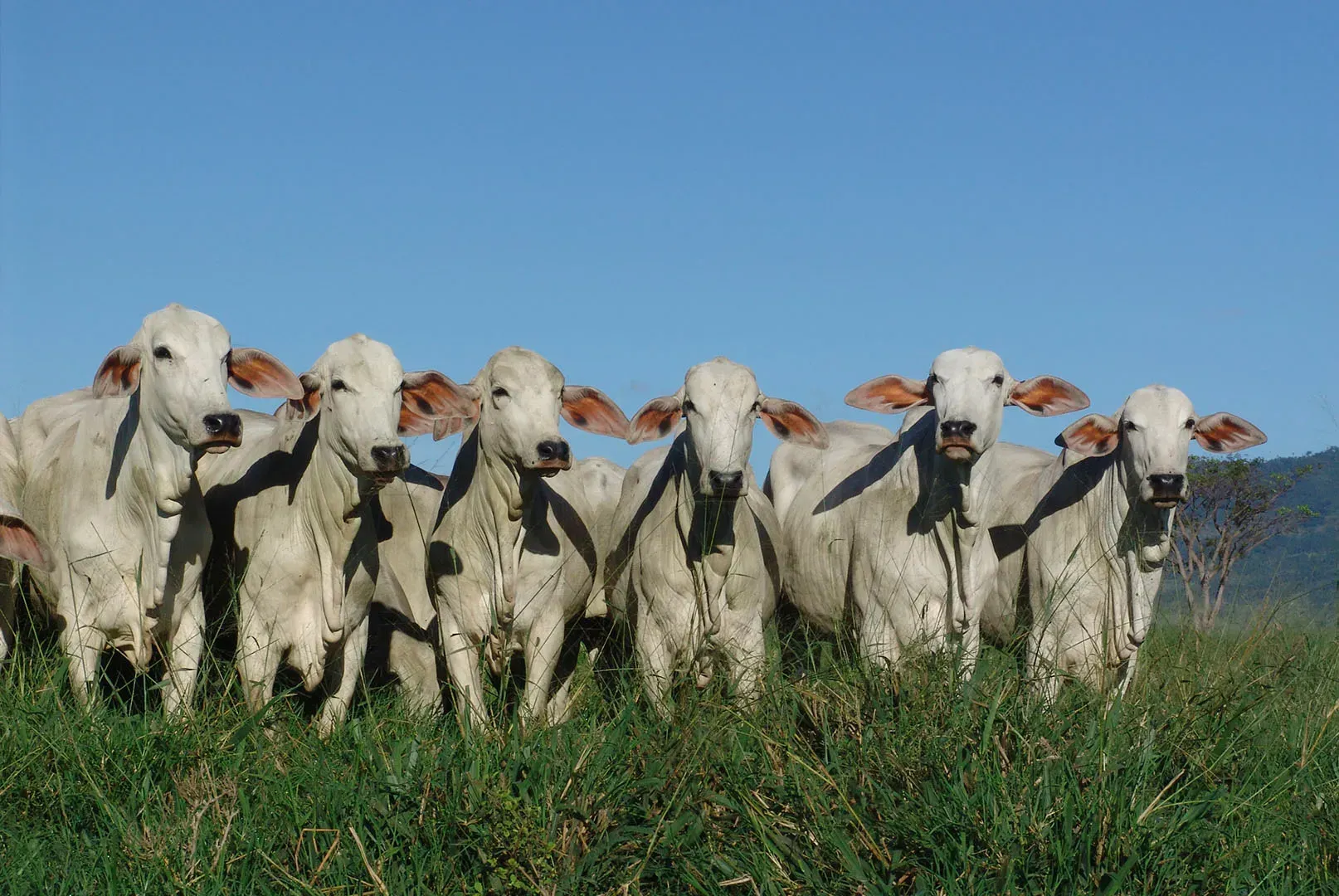
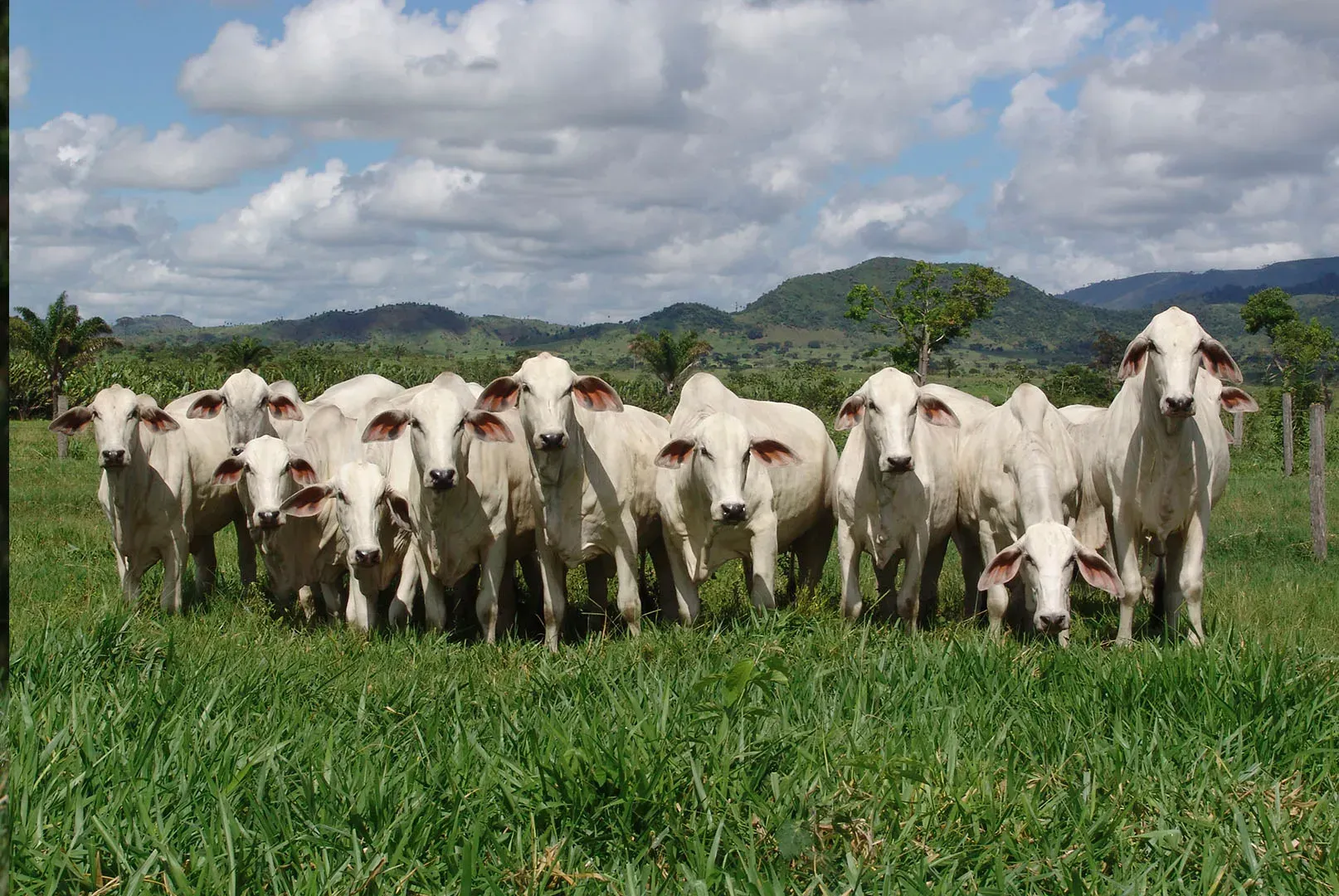
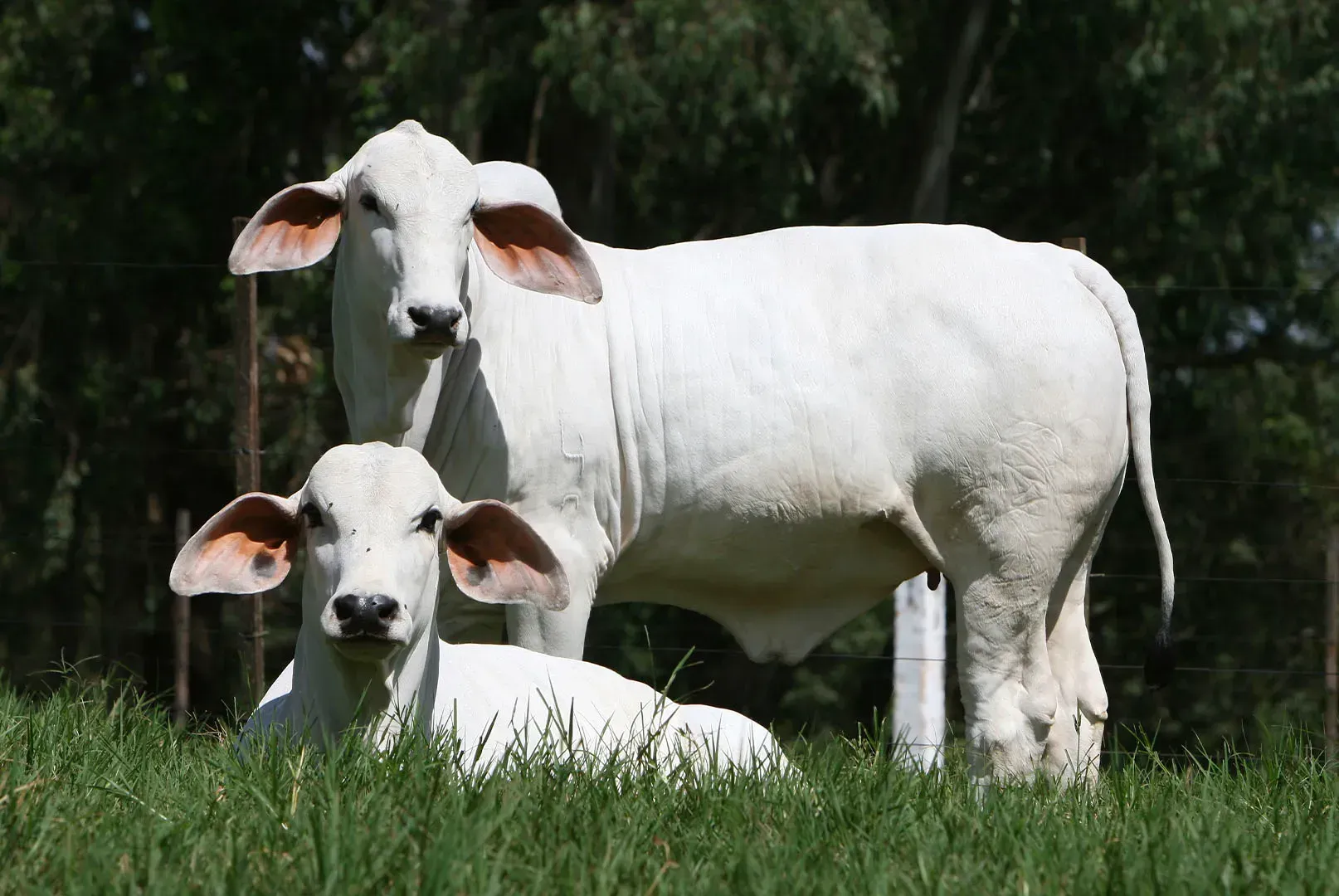
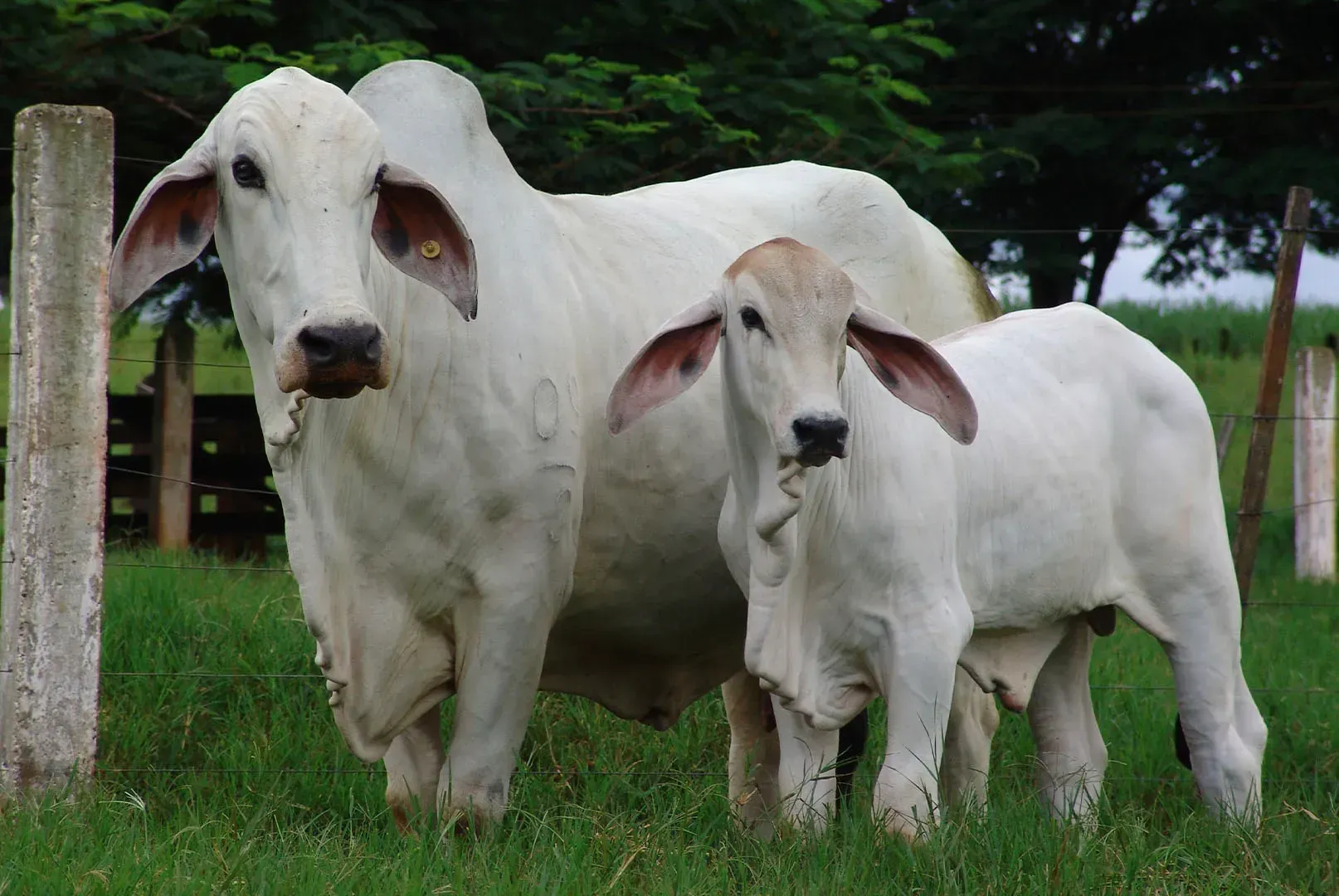
It is characterized by the complete absence of horns, not allowing for either a callus or a horn cap. An ogival skull and a subconvex head profile are important breed characteristics.
The ideal coat color ranges from white to gray, with the extremities typically being darker in males. The ears are medium-sized, and the dewlap is loose and wrinkled.
Advantages
It is a docile animal, sexually and reproductively precocious, with a high fertility rate. The females exhibit excellent maternal ability with good bone structure and well-distributed musculature. The calves are born healthy and vigorous.
Males are very precocious animals, with firm and well-conformed musculature, giving good carcass yield. Females, at 48 months, can reach 600 kg and males at 48 months can reach 900 kg.