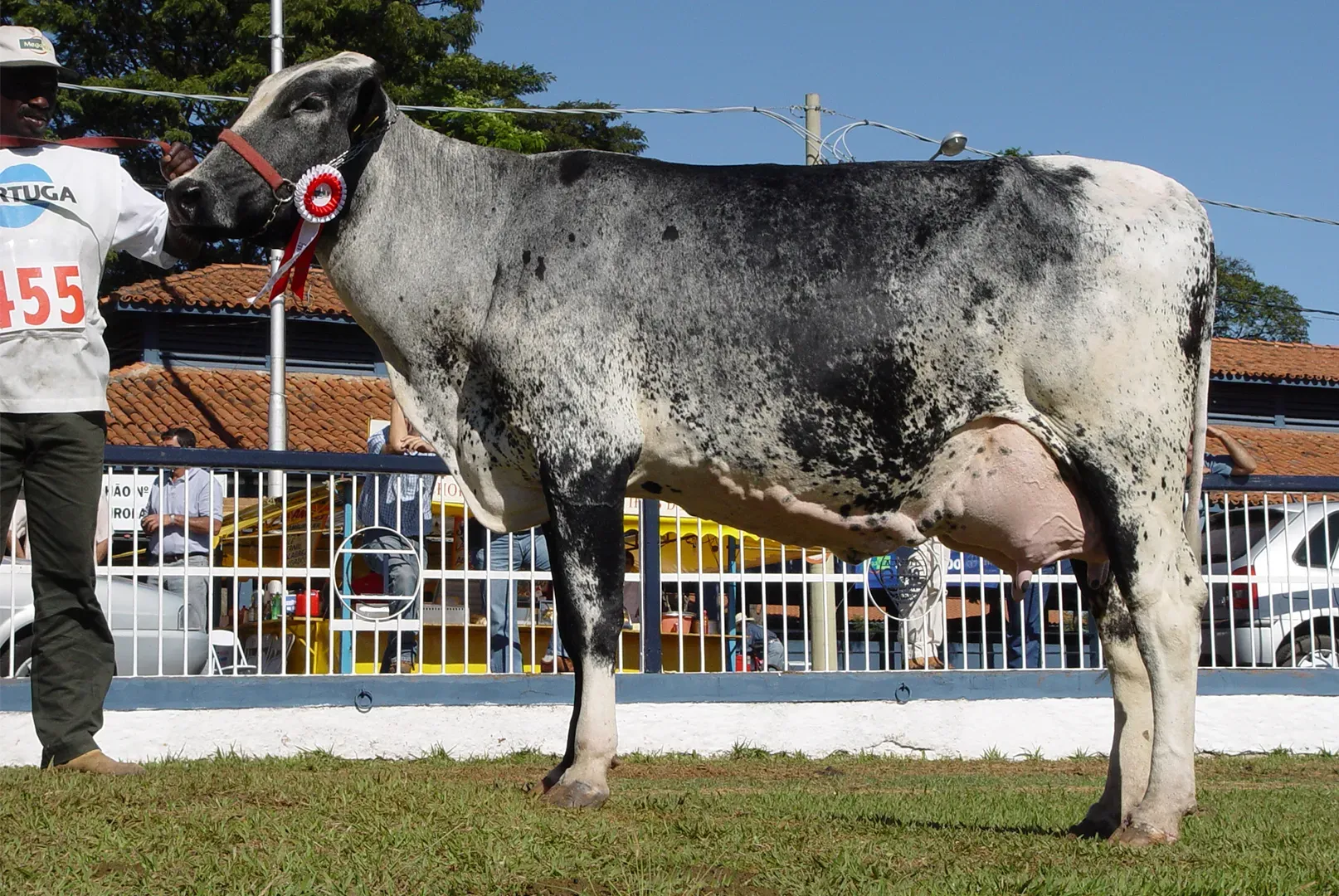
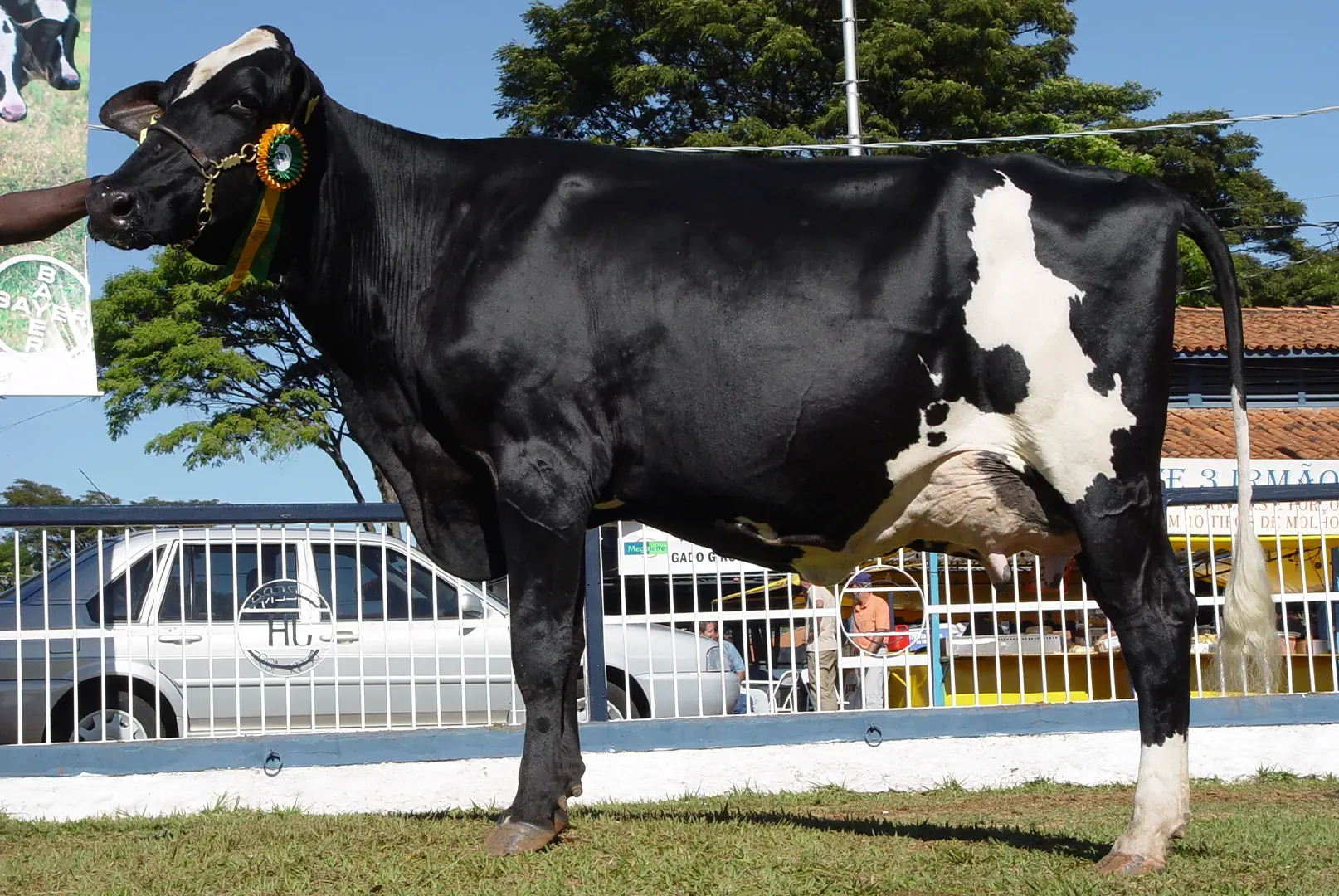
Origin
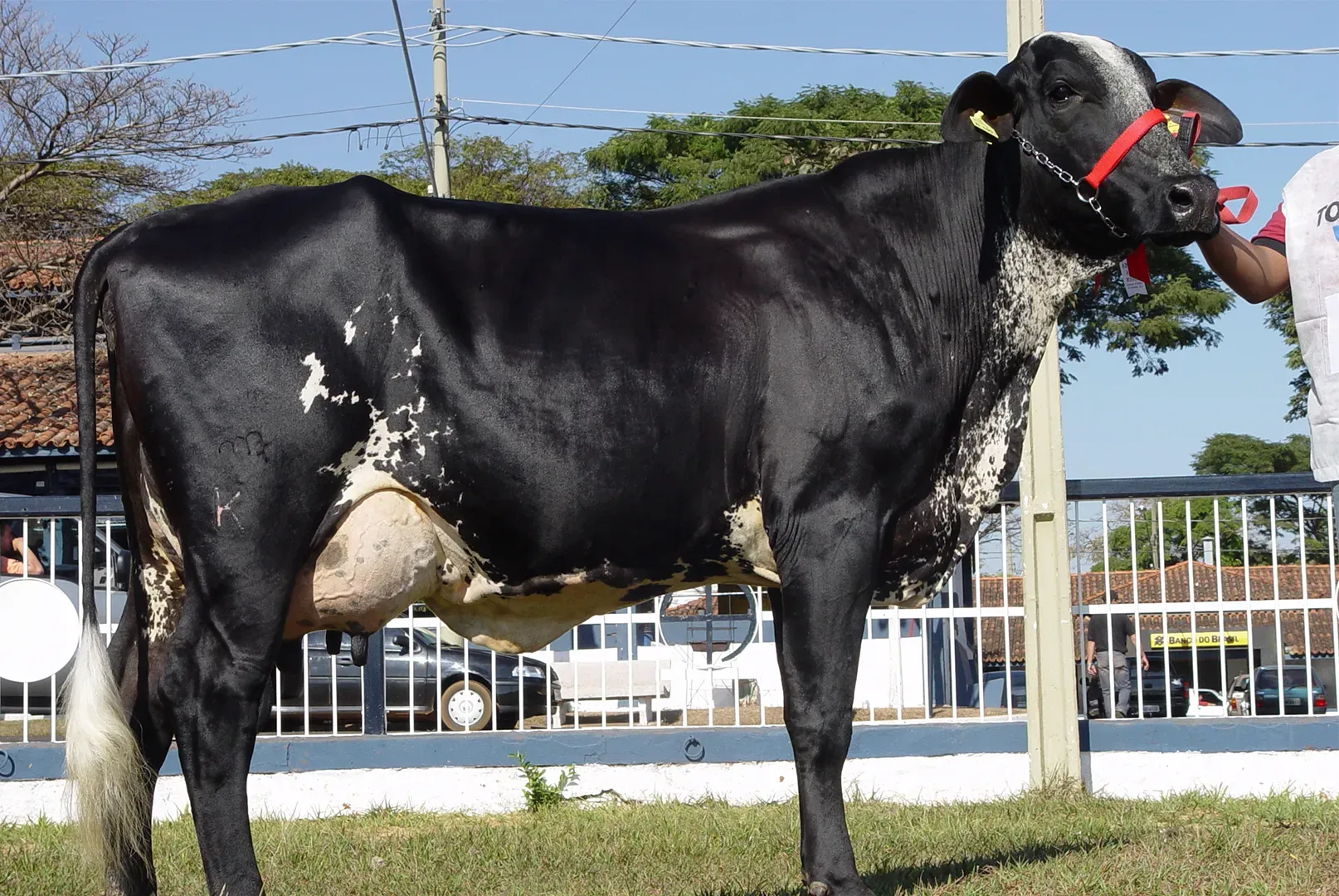
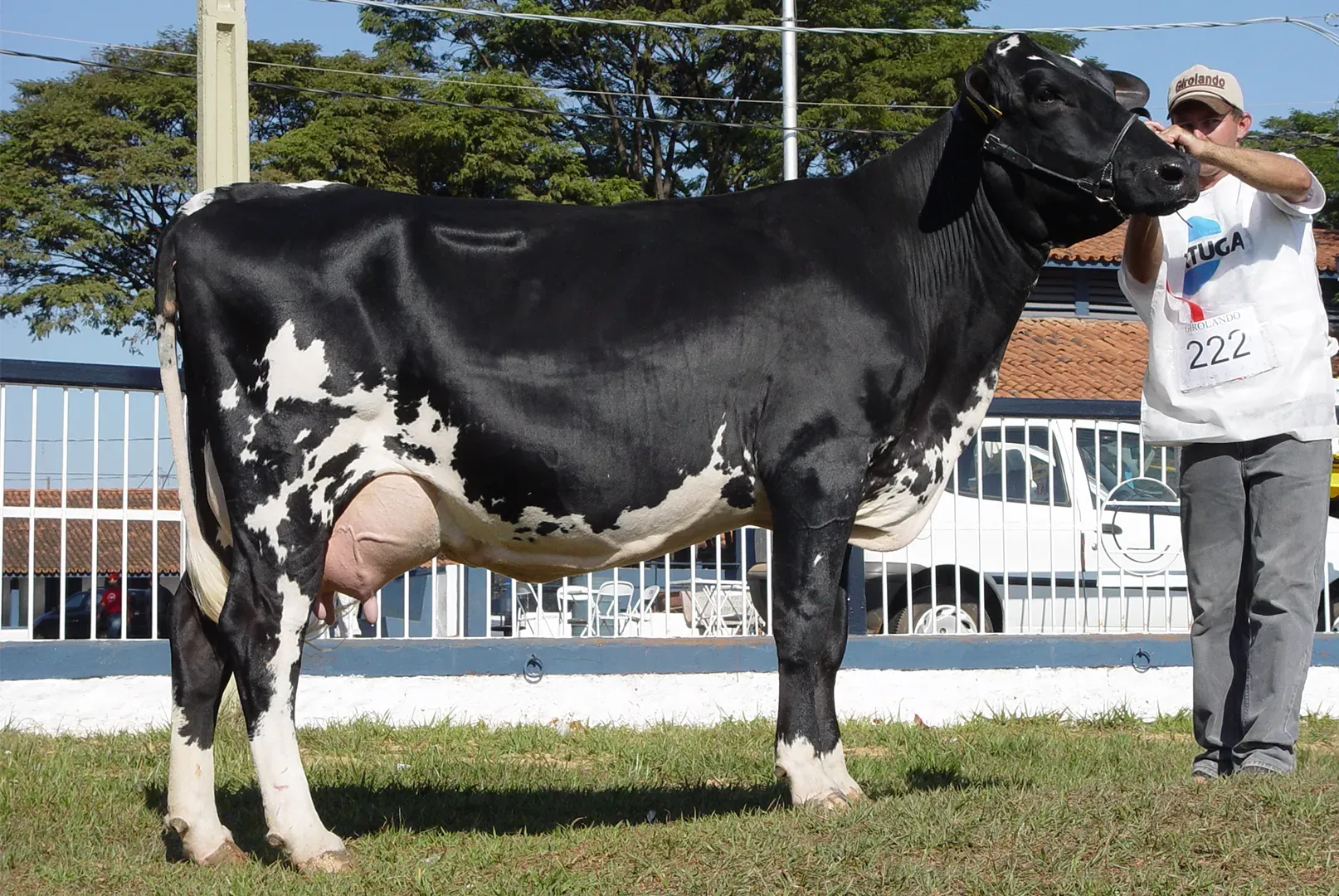
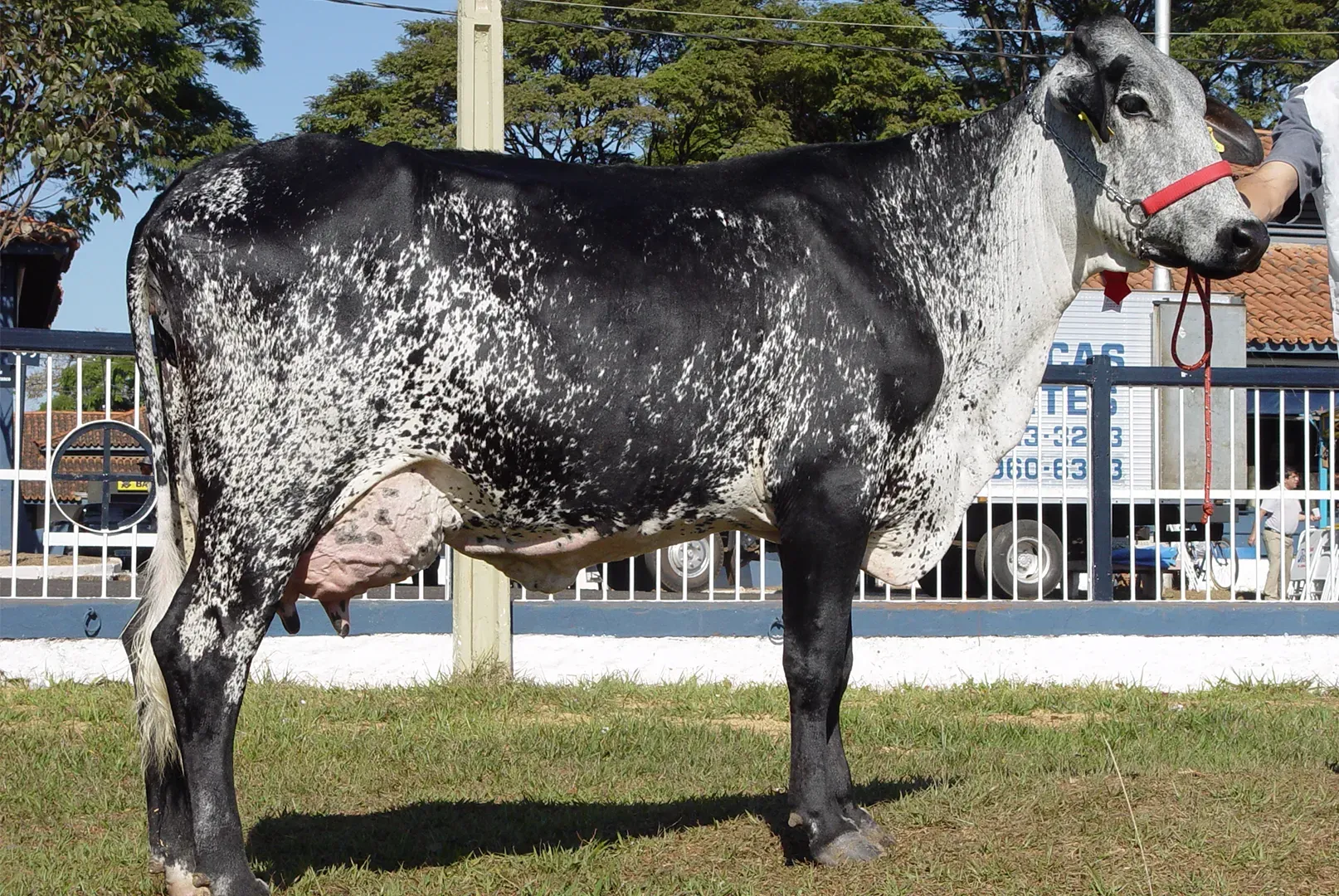
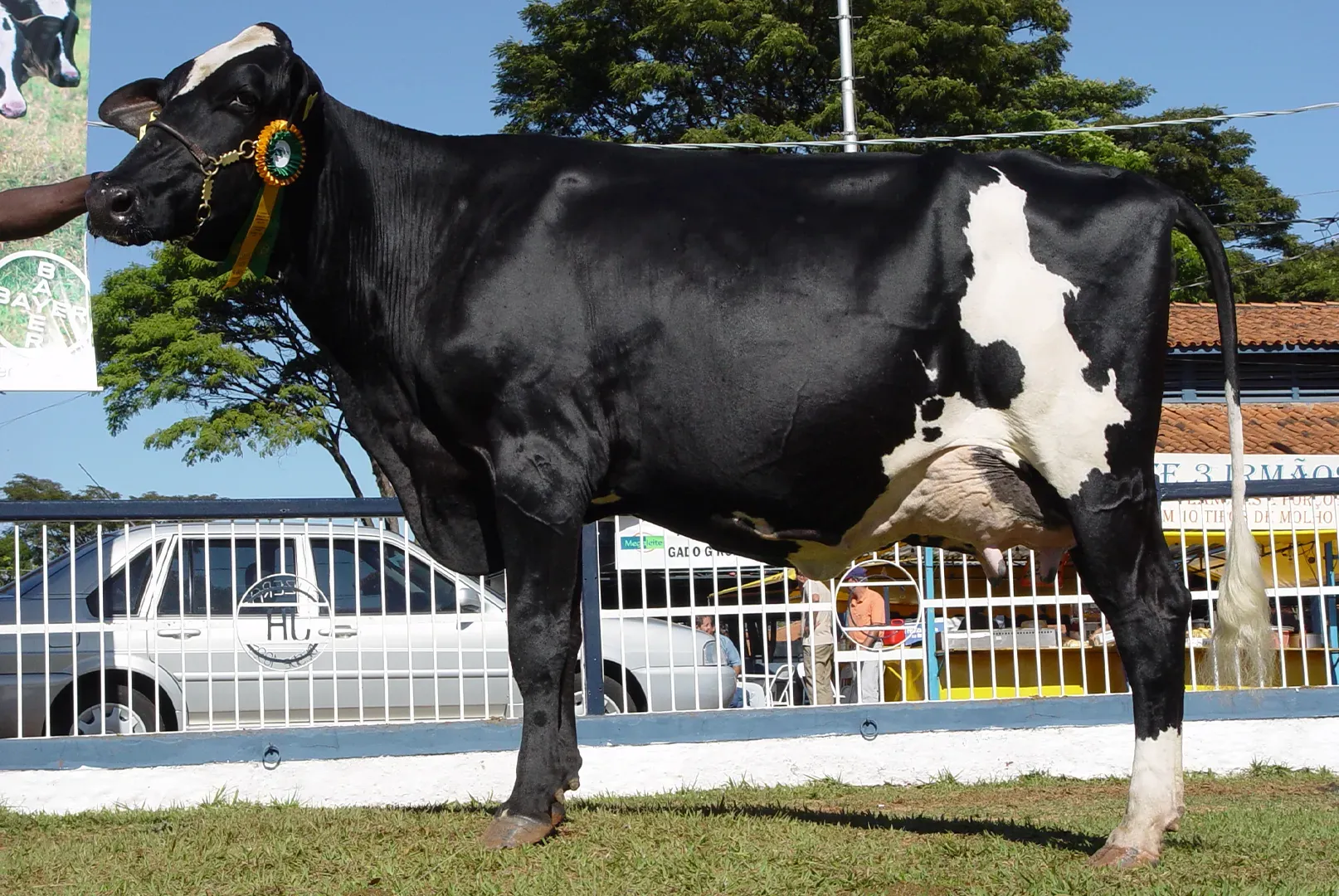
Girolando is the result of crossing the Gir and Holstein breeds. It is a breed widely recognized for the hardiness inherited from the Gir and the milk production derived from the Holstein. It is responsible for 80% of milk production in Brazil, which is the main reason this breed is chosen for export.
Features
The reproductive efficiency of the Girolando breed is its strong point (short service period, ideal calving interval, and a higher number of calvings per cow), as we know that fertility is better when the animal is in its ideal climate.
Longevity, fertility, and precocity are clearly evident in the Girolando breed, virtues inherited from the Gir and Holstein breeds, resulting in excellent lifetime production and numerous offspring that typically begin at 30 months of age (first calving). Peak milk production is reached up to 10 years of age, and the animal produces satisfactorily until 15 years of age.
It adapts very well to any type of management, combining grazing with stabling, and has excellent performance with mechanical milking and without the calf present. In addition to Girolando calves being born with excellent weight (35 kg/average), they have a great growth rate, attributed to the mother's breeding capacity and the vigor of the offspring (Genetic Inheritance).
Advantages
Hardiness is a very important quality, and in the tropical world, it is an essential characteristic for survival. Girolando females are highly productive, possessing physiological and morphological characteristics perfectly suited for production in the tropics – teat size and support, excellent conditions for lactation, pigmentation, thermoregulatory capacity, reproductive efficiency, etc.
Males possess high adaptability – ability to utilize poor pastures, resistance to diseases and parasites, docile animals, excellent weight gain, etc. – and achieve performance comparable to any other type of genetic crossbreeding specifically for meat production, under similar breeding conditions.