Origin
Limousin originated in the West, between Central and Southwestern France, a very rainy region with adverse climatic conditions and poor granite soil. Consequently, crop cultivation was very difficult at best, and the emphasis was placed on animal husbandry.
As a result of their environment, Limousin cattle evolved into a breed of unusual hardiness, health, and adaptability. This lack of natural resources also allowed the region to remain relatively isolated and farmers free to develop their cattle with little external genetic interference.
During the early days of animal husbandry, the Limousin breed earned a well-deserved reputation as working animals, in addition to its beef qualities. René Lafarge reported in 1698, "Limousin oxen were universally recognized as beef cattle." At the end of their working lives, these animals were fattened for slaughter.
From its earliest days, the breed evolved from a working animal into a highly specialized animal for meat production.
Features
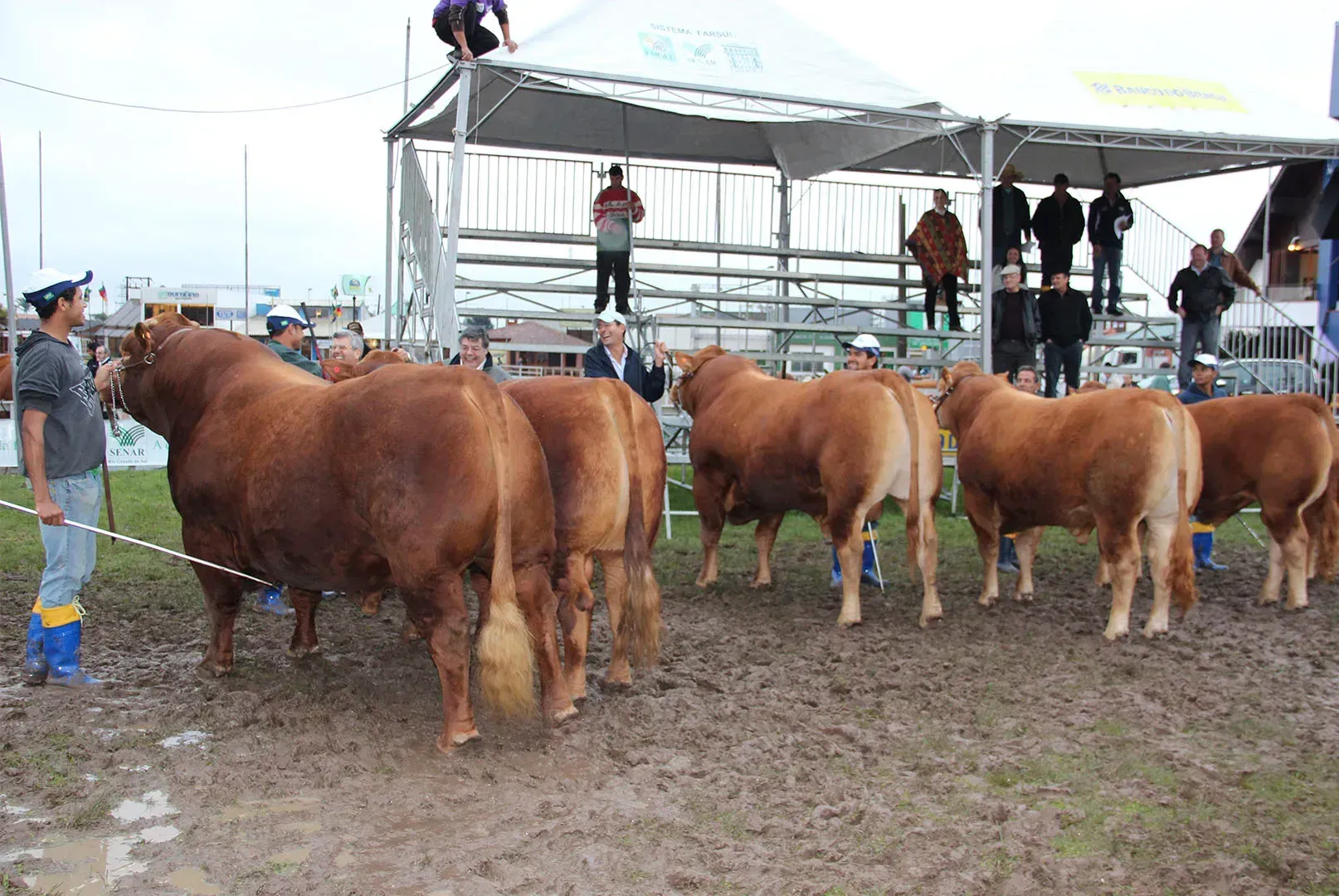
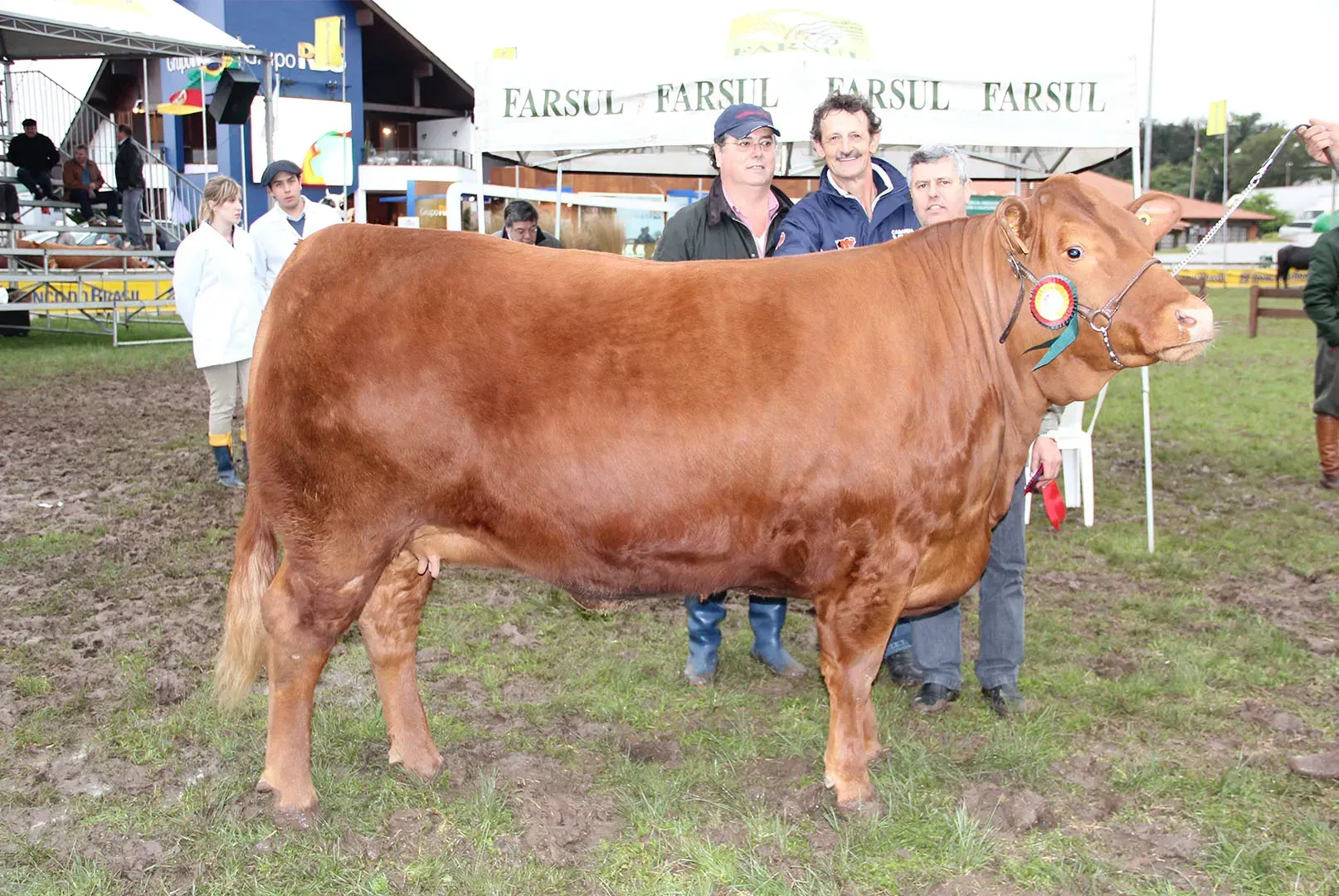
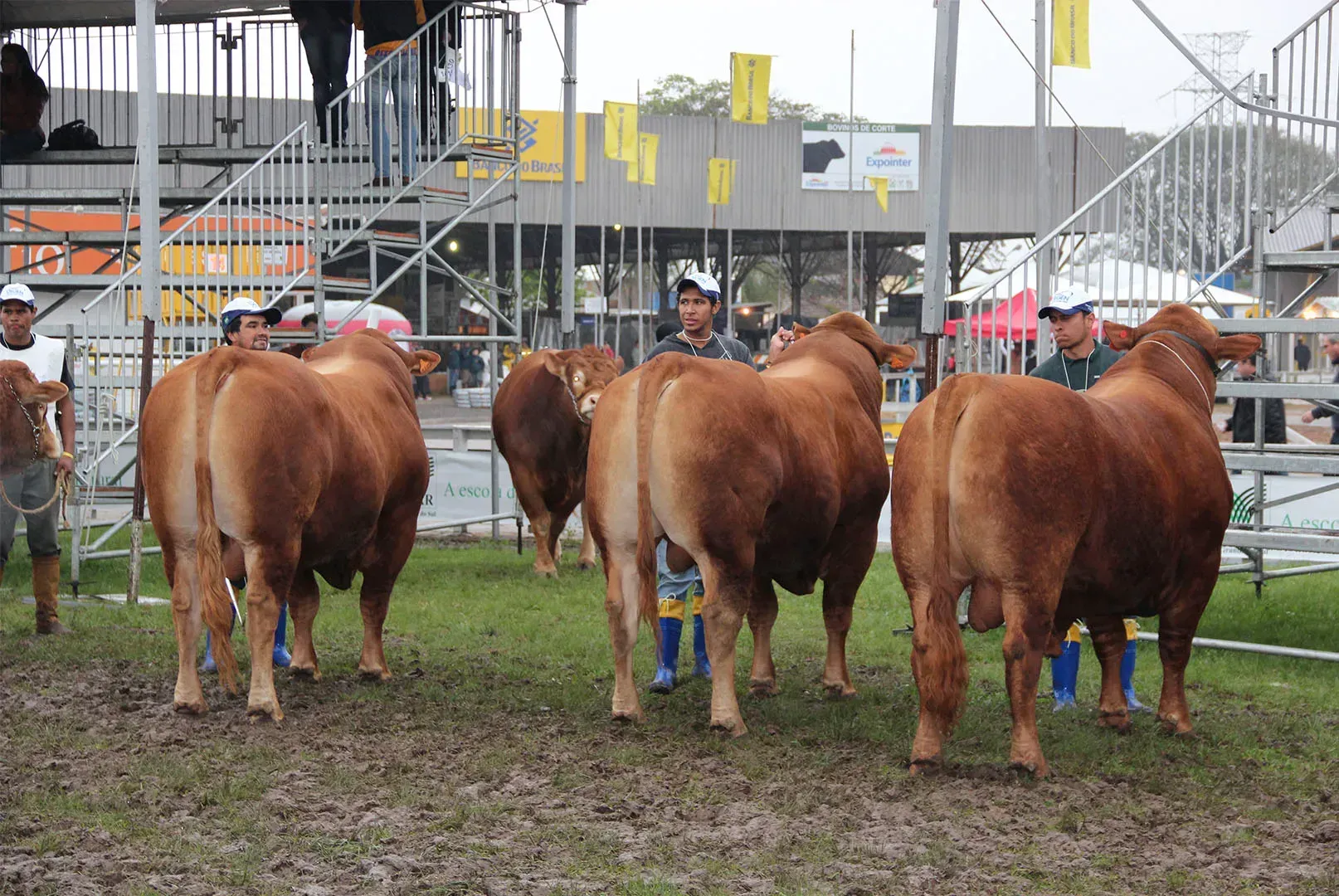
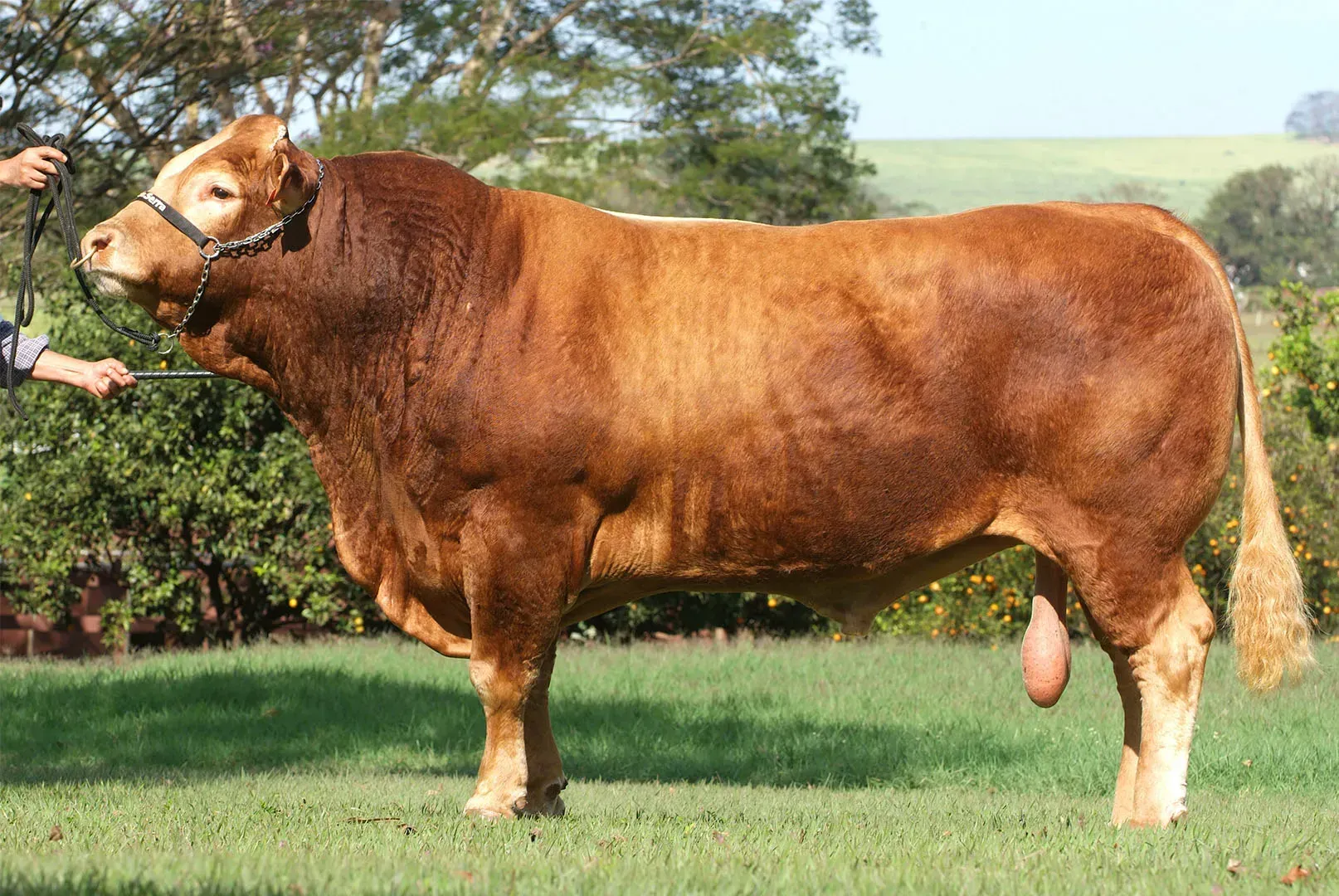
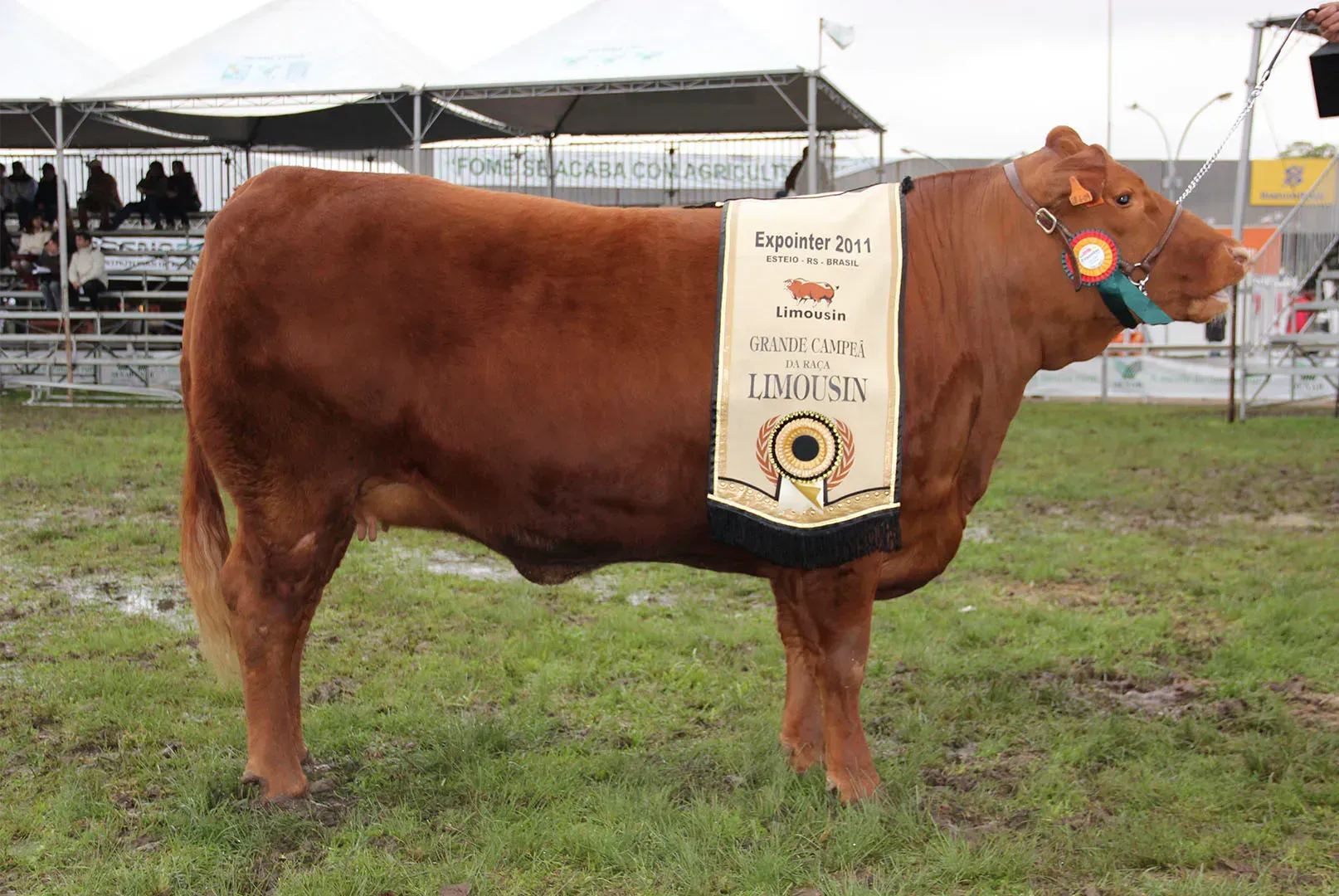
The Limousin cattle breed is large, slender, and possesses a strong bone structure. Adult females should weigh an average of 650 kg and males 1,000 kg. The head is small and short with a broad forehead, and the neck is short with a broad muzzle. It has a golden color, with lighter circles around the eyes and muzzle, shaded with a lighter color on the legs. The skin is free of pigmentation. The head is small and short, with a broad forehead, and the neck is short. The horns are yellow at the base and darken towards the tips; they are initially horizontal, then curve forward and upward.
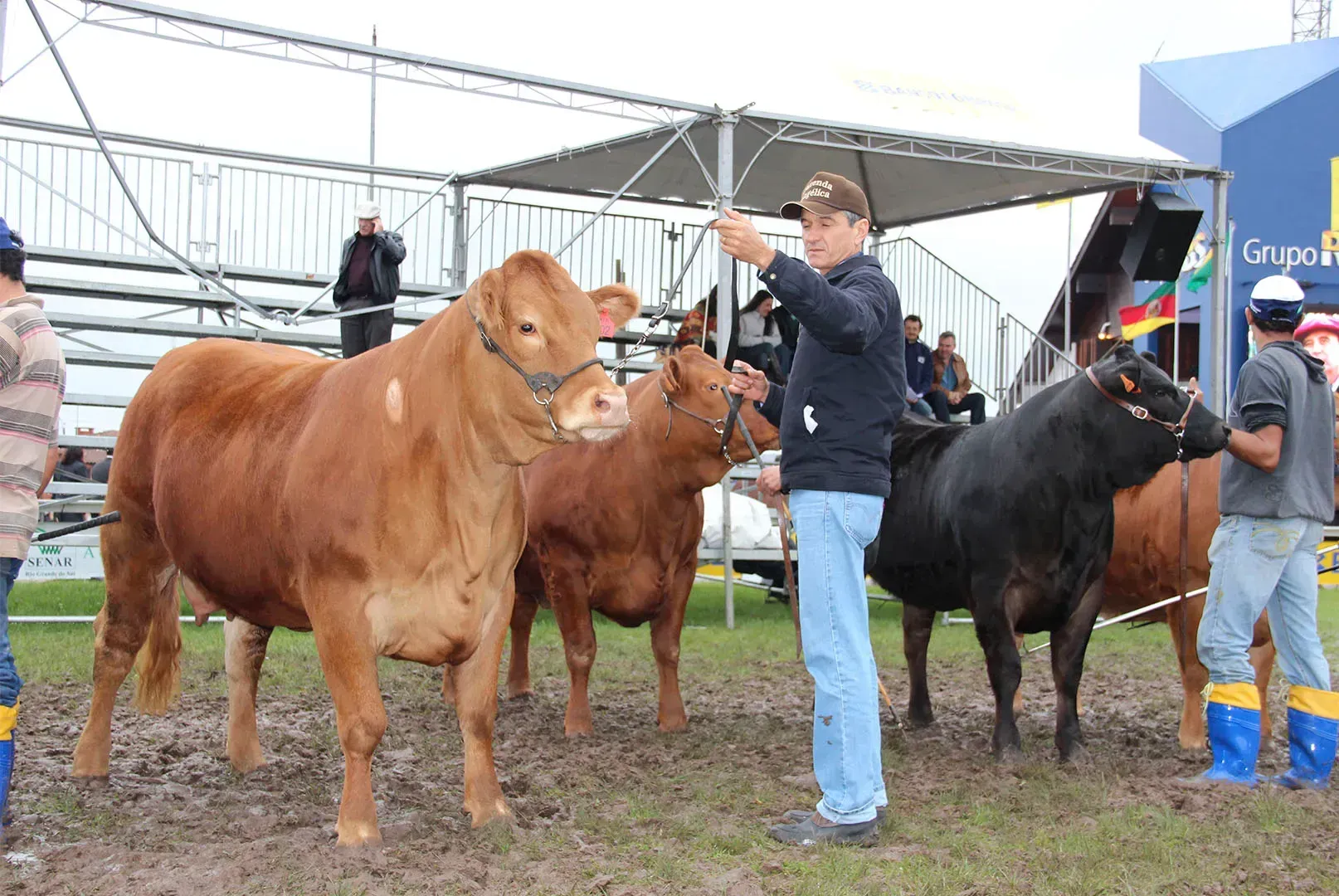
The Limousin breed has black genetics, which results in color variation. Calves can be light brown or dark brown, transitioning through different ages to a deep black in full adulthood. Black adult animals may often exhibit completely black coats tinged with brown hairs.
Smaller than the Charolais and earlier maturing, the Limousin is intermediate in size and maturity between British breeds and most other European breeds. The breed's characteristics include hardiness, regular reproduction, easy calving, maternal ability, rapid growth, and the production of high-yield carcasses with little fat.
Advantages
An early-maturing breed, the Limousin naturally produces young, unmarbled, but well-finished carcasses. It has built a reputation as a carcass breed. It produces beef with a low proportion of bone and fat, a maximum slaughter percentage, and a high yield of marketable meat (73.3%).
The Limousin breed guarantees excellent productivity at a low cost. The bulls are extremely fertile, and their good conformation is passed on to all offspring; the cows, with their lighter build, ensure easy calving.
Purebred Limousin females are known for their excellent maternal ability and provide a viable commercial option for producers with a closed herd policy. They demonstrate high fertility, maternal ability, high conception rates, and ease of calving. Using the breed ensures vigorous calves stamped with Limousin quality, and on-farm replacement provides complete traceability from birth to slaughter.